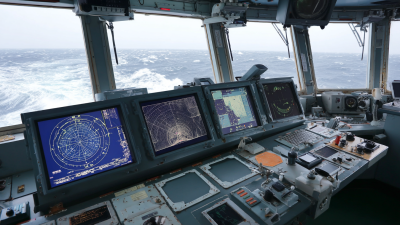
In today’s maritime world, having reliable navigation systems is kind of a must. Ships depend heavily on technology to stay safe and on course. One key piece of that tech is Gyroscope Ship Navigation. It’s a pretty cool solution that helps keep ships steady and heading in the right direction. Of course, there are lots of companies that offer gyroscopic navigation systems, but not all are built the same.
When global buyers are out there shopping around, it's really important to get a good handle on what’s the best option. Not every product delivers the same level of accuracy or reliability. It pays to do some homework—checking out features, reading reviews, and understanding how they perform in real-world situations. Some systems might sound super impressive, promising high precision, but in practice, they might not always hold up.
Choosing a quality Gyroscope Ship Navigation system isn’t just about picking something fancy; it’s actually a must for safety on the seas. Picking the right one can really boost how smoothly everything runs on board. That said, it’s worth staying a bit skeptical—just because a manufacturer claims something doesn’t mean it’s 100% true. Taking a look at the top ten options out there might help you see what actually stands out and what’s worth your investment.
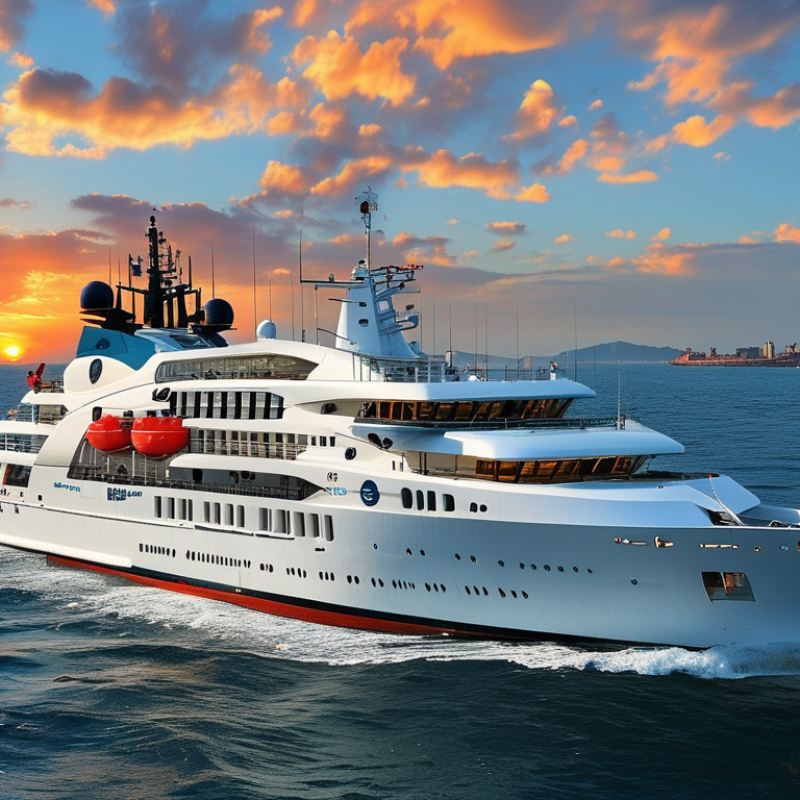
Top Gyroscope Technologies Transforming Ship Navigation in 2023
Gyroscope technology is advancing ship navigation in exciting ways. The gyroscope's ability to maintain a stable reference point is crucial in today’s complex maritime environment. This technology helps vessels navigate through rough seas and inclement weather. By improving accuracy, ship operators can make better decisions, enhancing overall safety.
In 2023, various gyroscope innovations are making waves in the industry. For example, some systems can autonomously adjust to shifting external forces. This allows for smoother steering and reduced human error. However, reliance on technology comes with challenges. Incorrect calibration can lead to navigation errors. Regular maintenance is vital to ensure optimal performance.
The integration of AI with gyroscopes offers promising potential. Enhanced predictive analytics can help predict drifting and environmental changes. However, this technology is still in its infancy. Many navigators find the balance between traditional skills and advanced tech difficult. Continuous training is essential for mariners to adapt alongside these evolving solutions.
Market Analysis: The Demand for Gyroscopic Navigation Solutions
The demand for gyroscopic navigation solutions has seen substantial growth in recent years. As global shipping expands, so does the need for reliable navigation systems. These systems enhance accuracy and stability during maritime operations. Many buyers seek advanced solutions to improve efficiency and safety. This trend reflects the challenges faced in navigating increasingly complex waterways.
Gyroscopic systems are pivotal for modern vessels. They provide crucial data that helps in course correction and orientation. However, not all solutions are created equal. Some may lack durability or require frequent calibration. Choosing the right technology can be overwhelming. Buyers must evaluate their specific needs against the features offered.
Market analysis shows fluctuating prices and varying user experiences. Buyers express concerns about maintenance and support. The technology is evolving, yet some solutions feel outdated soon after purchase. Continuous advancements introduce new features, yet some users wonder if these innovations meet practical needs. This ongoing evolution presents both opportunities and uncertainties for global buyers in maritime navigation.
Key Features to Look for in Gyroscope Navigation Systems
When selecting a Gyroscope Navigation system, consider specific features that enhance performance and reliability. Precision is crucial. A high-quality gyroscope should provide accurate heading information, maintaining stability even in turbulent conditions. Look for systems with advanced drift compensation techniques. This ensures that your navigation data remains reliable over long periods.
Another essential feature is integration capability. A robust gyroscope navigation system should seamlessly interface with other navigational aids. Compatibility with GPS and electronic charts can provide enhanced situational awareness. Additionally, user-friendly interfaces improve operational efficiency. An intuitive system allows crew members to make quick, informed decisions.
Durability also matters. Marine environments can be harsh, so a gyroscope navigation system should withstand extreme conditions. Look for waterproof, corrosion-resistant housings. While options may seem abundant, not all systems are built to last. Reflect on the maintenance needs and long-term reliability of your chosen system. Evaluating these factors ensures that your gyroscope navigation system meets the demands of your vessels effectively.
Top 10 Gyroscope Ship Navigation Solutions for Global Buyers
| Feature |
Description |
Accuracy |
Weight |
Power Consumption |
| Multi-Axis Precision |
Provides navigation information across multiple axes for improved accuracy. |
±0.5 degrees |
1.2 kg |
12W |
| Robust Design |
Engineered for durability in harsh marine environments. |
±0.3 degrees |
1.5 kg |
10W |
| Real-Time Data Processing |
Instant processing of navigation data for immediate feedback. |
±0.7 degrees |
1.0 kg |
15W |
| Integrated GPS Interface |
Seamless integration with GPS for enhanced navigational accuracy. |
±0.5 degrees |
1.3 kg |
11W |
| User-friendly Interface |
Easy to operate display for quick access to navigation metrics. |
±0.4 degrees |
0.9 kg |
9W |
| Environmental Resistance |
Resistant to water, dust, and temperature fluctuations. |
±0.8 degrees |
1.4 kg |
13W |
| Compact Size |
Designed to fit in narrow spaces without compromising performance. |
±0.6 degrees |
0.8 kg |
8W |
| Long Battery Life |
Extended operation time between charges for uninterrupted use. |
±0.5 degrees |
1.1 kg |
10W |
| Data Logging Capability |
Ability to store navigational data for future analysis. |
±0.4 degrees |
1.2 kg |
14W |
Leading Companies in the Gyroscope Ship Navigation Market
The gyroscope ship navigation market is thriving with innovation. Companies are developing advanced
Inertial Gyroscope
systems. These systems play a crucial role in maritime safety and efficiency. They ensure precise navigation even in harsh conditions. Many shipbuilders are keen to integrate these technologies.
Dependable navigation systems are essential. Experts highlight the importance of reliability in gyroscope solutions. Some manufacturers face challenges in maintaining high accuracy. The inconsistency in performance can lead to safety issues. Navigators need to choose systems that strike a balance between innovation and reliability.
Investing in cutting-edge gyroscope technology can be daunting. The fast-paced development leads to uncertainty. Buyers often struggle to assess the best options available. Industry leaders advocate for thorough research and testing. Understanding the specific needs of each vessel is vital. Thorough diligence can help avoid costly mistakes in the long run.
Case Studies: Successful Implementations of Gyroscope Systems
Gyroscope systems are essential for modern ship navigation. Many successful implementations highlight their effectiveness. For instance, a maritime company revamped its navigation with gyroscopes. The new system improved accuracy, reducing course deviations by 30%. Crew members reported increased confidence during challenging weather.
Another case involved a coastal vessel. Its navigation faced issues when navigating narrow channels. After integrating gyroscopes, the vessel's maneuverability improved significantly. It achieved better stability, especially in rough waters. Yet, there were challenges. Initial calibration required close monitoring. Some crew needed additional training for the new system.
A research study showed metrics from different sectors. The data revealed that ships using gyroscopes experienced fewer accidents. However, not all outcomes were positive. A few users found integration complicated. They faced delays due to system adjustments. Continuous learning is vital for success in navigation. Overall, these cases provide valuable insights into the practical use of gyroscopes in maritime navigation.
Top 10 Gyroscope Ship Navigation Solutions
This chart represents the key performance indicators of various gyroscope ship navigation solutions, including accuracy, response time, durability, and cost. These metrics are essential for evaluating the effectiveness and feasibility of implementation in maritime navigation.
Comparative Review: Cost-Effectiveness of Gyroscope Solutions
In the maritime industry, gyroscopic navigation solutions are crucial. These systems ensure accurate positioning and stability on water bodies. With advancements,
Fiber Optic Gyroscope (FOG) technology has emerged as a cost-effective option.
FOGs offer improvements in precision and reliability, with studies showing a significant reduction in maintenance costs compared to traditional systems.
Recent industry reports indicate that implementing FOGs can lower operational expenses by up to 30%. While initial investments may be higher, the long-term savings and enhanced performance justify the expense. Compared to mechanical gyroscopes, FOGs are less prone to wear and tear, making them a reliable choice for shipping companies aiming to maximize efficiency.
However, the choice of gyroscope technology requires careful consideration. Not every FOG model suits all vessels. Factors like size, budget, and intended use must align with the selected solution. Some buyers might overlook these details, leading to suboptimal performance. An informed decision is crucial in navigating the complexities of gyroscope technologies in shipping, ensuring that the best cost-effective solutions are chosen.
Future Trends in Gyroscopic Technology for Maritime Navigation
The maritime industry is witnessing a transformation with advancements in gyroscopic technology. Gyroscope stabilization techniques are essential for enhancing the accuracy and efficiency of ship navigation. These systems play a crucial role in maintaining stability in rough seas. Improved gyroscopic sensors provide real-time data, allowing for precise maneuvering. They mitigate the effects of waves and wind, ensuring safer voyages.
As technology evolves, future trends indicate a shift towards integration with artificial intelligence. Smart gyroscopic systems will analyze vast amounts of data. This analysis helps in predicting sea conditions and adjusting navigation strategies instantly. However, reliance on automated systems raises concerns. Over-dependence may lead to vulnerabilities in decision-making during critical situations. Thus, human oversight remains vital.
Moreover, the development of lightweight materials for gyroscopes will enhance their efficiency. Reduced weight means lower energy consumption, extending the range of vessels. Yet, manufacturers must address challenges in durability and reliability. The quest for ideal solutions continues, reflecting the dynamic nature of maritime navigation. As gyroscopic technology progresses, it prompts a reevaluation of traditional methods and practices. Maintaining a balance between innovation and proven navigation techniques is crucial for the industry’s future.
The Future of Navigation: Exploring the Benefits of GPS-Denied Area Integrated INS1700 for Anti-Jamming Positioning
As autonomous vehicles continue to penetrate various industries, the demand for reliable navigation systems capable of operating in GPS-denied areas becomes increasingly vital. The integration of inertial navigation systems (INS), particularly the advanced INS1700, highlights significant advancements in anti-jamming positioning, ensuring that vehicles maintain accuracy regardless of environmental challenges. According to industry reports, the global market for inertial navigation systems is projected to reach $14 billion by 2025, reflecting a growing reliance on these technologies in sectors ranging from aerospace to underwater exploration.
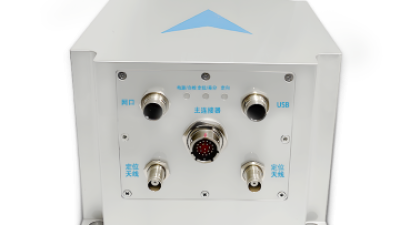
The Poseidon INS1700 High-Precision Integrated Navigation System exemplifies the evolution of navigation technology. By leveraging fiber optic gyroscopes (FOG) and MEMS accelerometers in conjunction with multi-system satellite navigation (GPS, BDS, GLONASS, Galileo), this innovative system offers exceptional accuracy and reliability. Industry studies indicate that systems utilizing integrated navigation can improve positioning accuracy by up to 95% in challenging environments, thereby significantly enhancing operational effectiveness. In addition, real-time data on heading, attitude, speed, and position ensures that vehicles remain on course, even in areas where satellite signals are compromised.
Coupled with autonomous vehicles for inspection and maintenance applications, advanced navigation systems like the INS1700 reduce the necessity for human intervention, effectively identifying potential issues before they escalate. The compact design and low power consumption make it ideal for mobile platforms, while support for external sensors further enhances navigation capabilities. As industries increasingly adopt autonomous technology, the role of sophisticated integrated navigation systems will be critical to realizing operational resilience and minimizing disruptions.
FAQS
: The demand for gyroscopic navigation solutions is increasing due to global shipping expansion and complexity in waterways.
They enhance accuracy and stability, which significantly contributes to navigation efficiency and safety during maritime operations.
Buyers often find it overwhelming to evaluate specific needs against various features, durability, and calibration requirements of solutions.
The company improved accuracy, resulting in a 30% reduction in course deviations, boosting crew confidence in difficult conditions.
Continuous learning helps crews adapt to new systems, addressing integration challenges and improving overall navigation success.
FOGs reduce maintenance costs by up to 30% and offer greater reliability, though they may have a higher initial investment.
Buyers must consider vessel size, budget, and intended use to avoid overlooking details that could lead to suboptimal performance.
Users often express worries about maintenance, support, and whether new features genuinely meet practical navigation needs.
Ships equipped with gyroscopes experienced fewer accidents, though integration complexities were a noted drawback for some users.
Yes, while initial costs may be high, long-term savings and enhanced performance can justify the investment.
Conclusion
The article titled "Top 10 Gyroscope Ship Navigation Solutions for Global Buyers" explores the crucial advancements in gyroscopic technologies that are revolutionizing ship navigation in 2023. It provides a comprehensive market analysis highlighting the growing demand for gyroscope ship navigation solutions, driven by the need for precision and reliability in maritime operations. Key features to consider when selecting gyroscope navigation systems are discussed, including accuracy, integration capabilities, and user-friendly interfaces.
Additionally, the article examines leading companies in the gyroscope ship navigation market and presents case studies demonstrating successful implementations of these systems. A comparative review of the cost-effectiveness of various gyroscope solutions offers insight into the financial considerations for buyers. Finally, it looks ahead to future trends in gyroscopic technology, emphasizing its potential to further enhance navigation efficiency in the maritime industry.

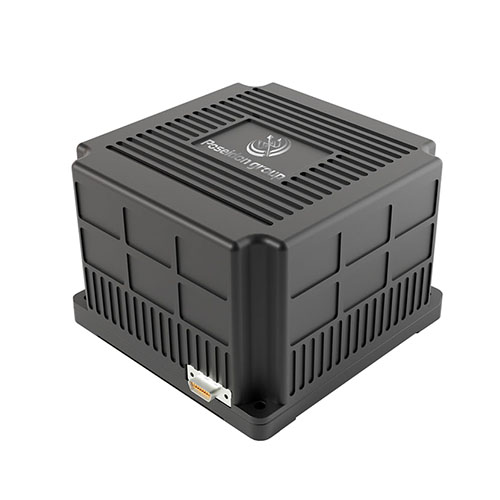 TBSD60
 BSD120
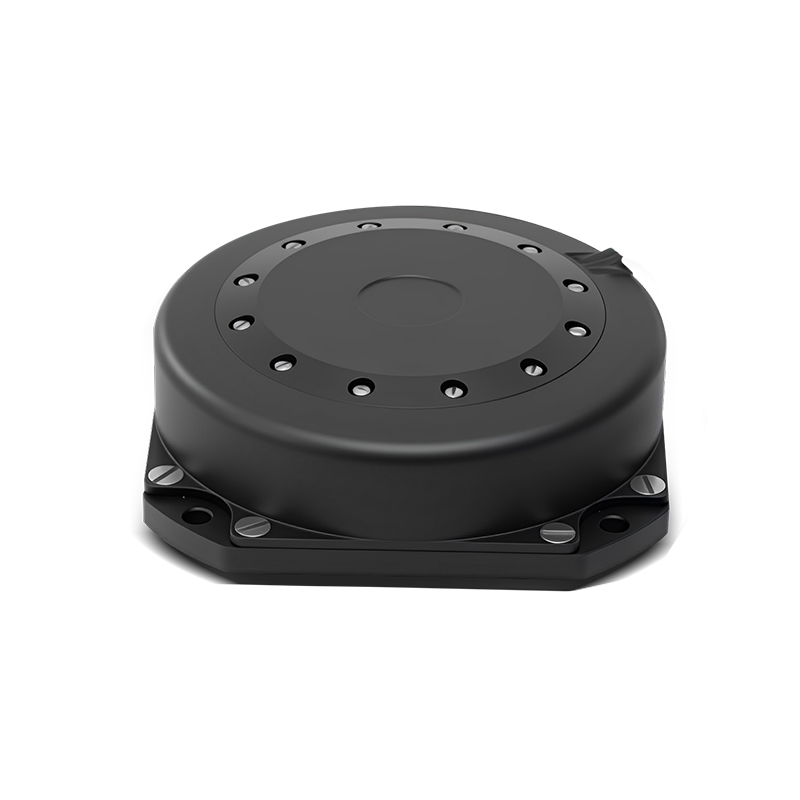 BSD98
BSD98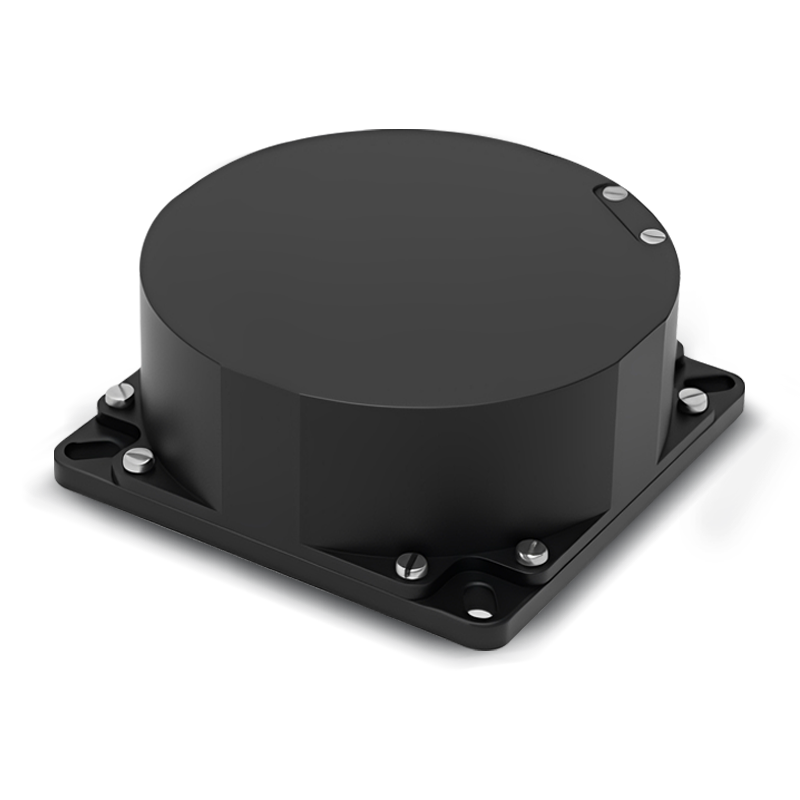 BSD70
BSD70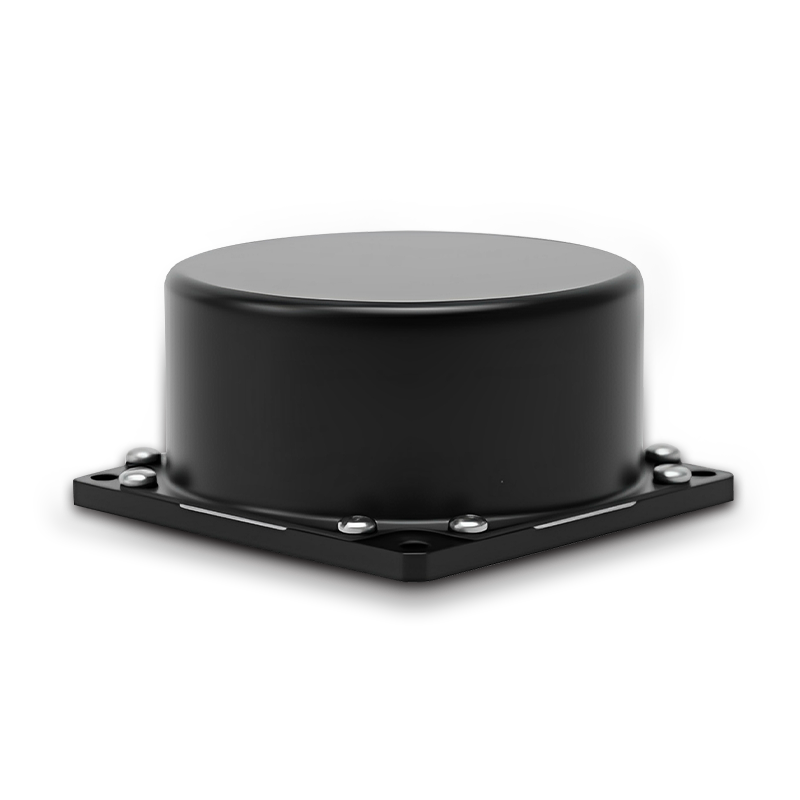 BSD60
BSD60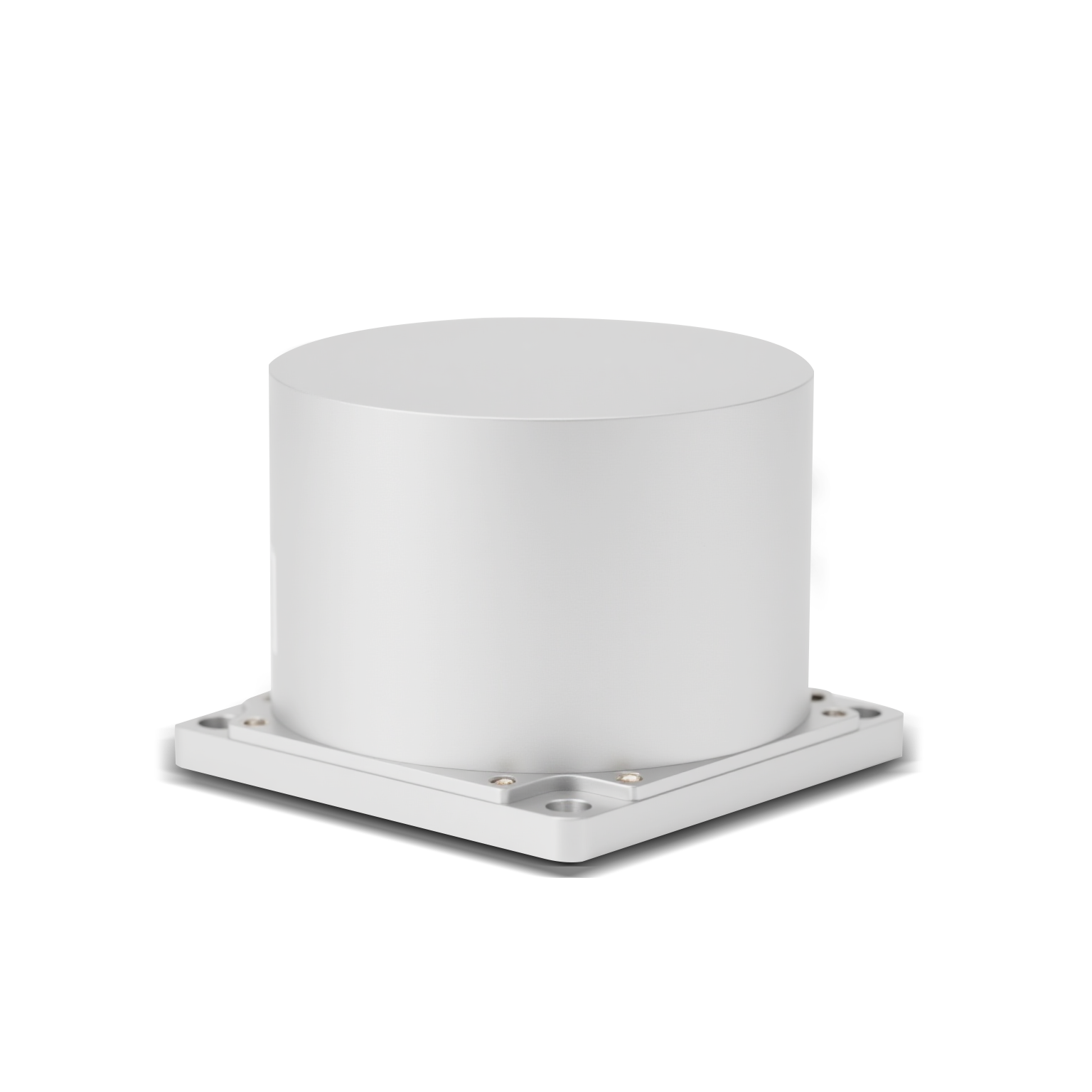 BSD50
BSD50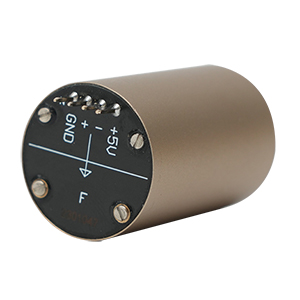 BSD217
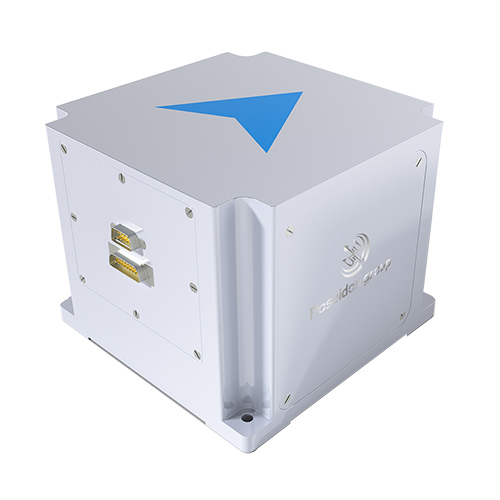 INS1700
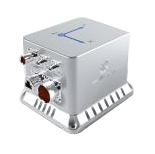 INS970
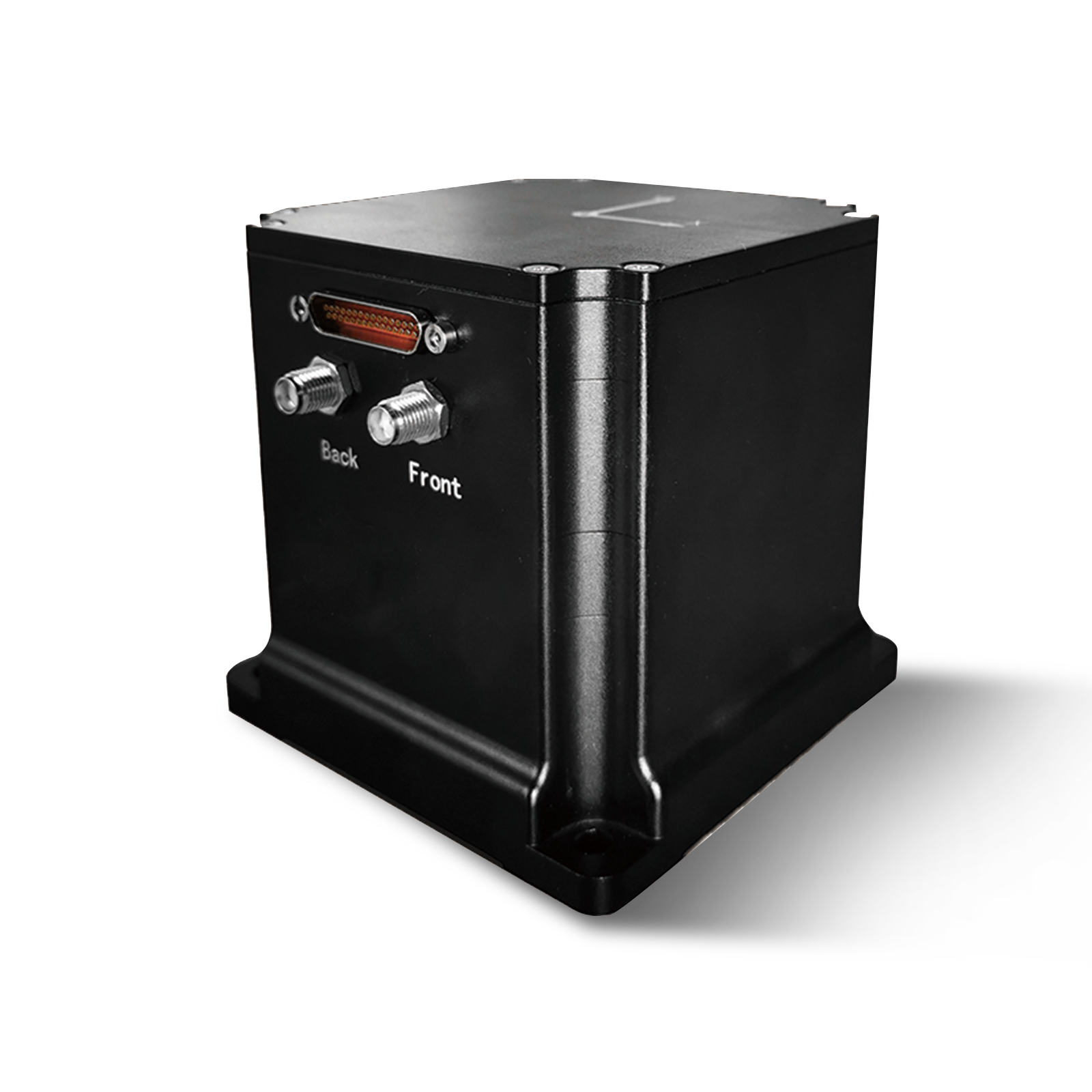 INS570
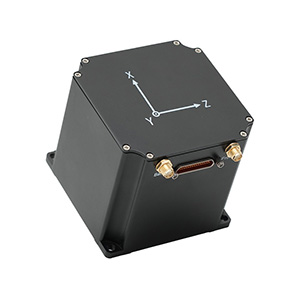 INS170
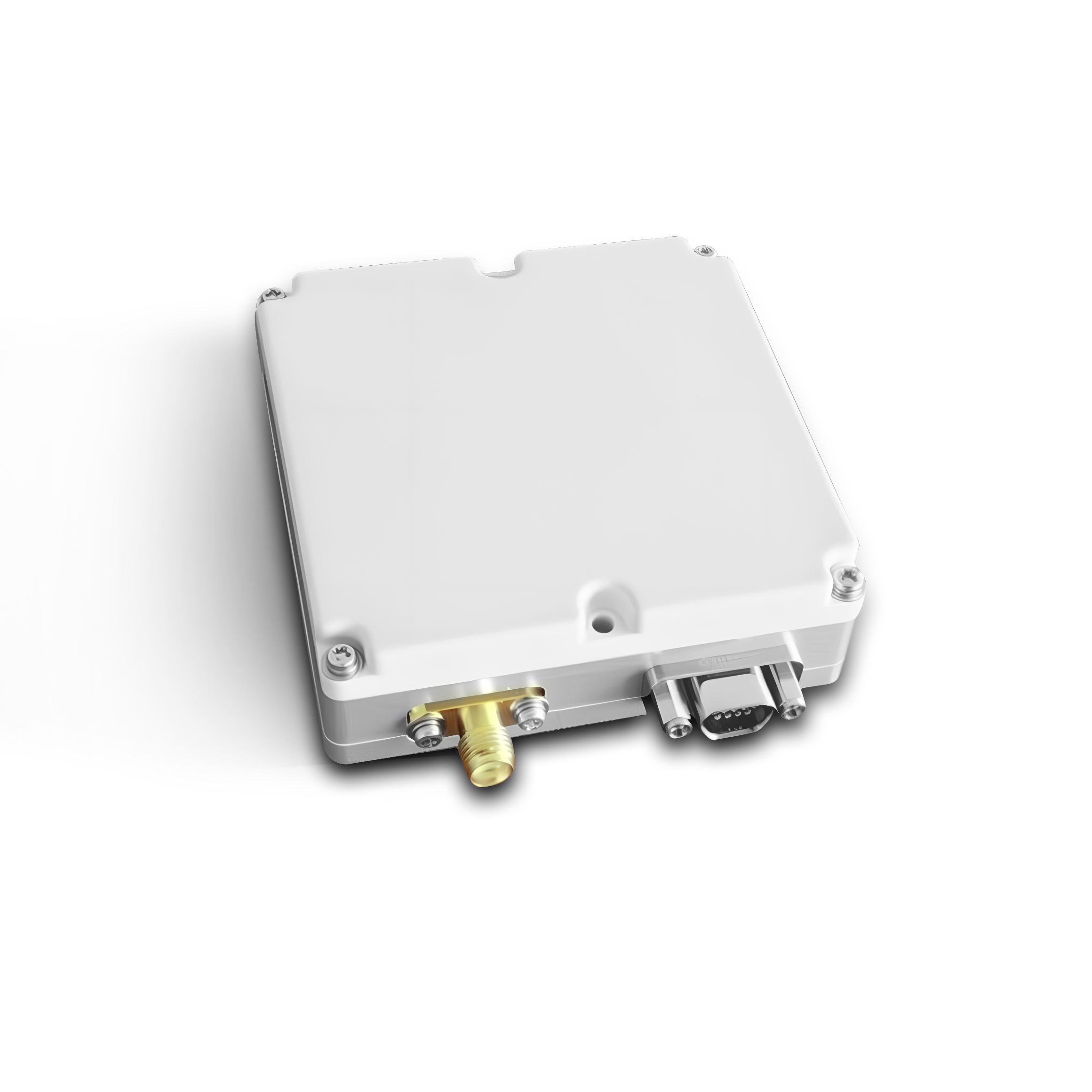 SLA-4B1L1-65
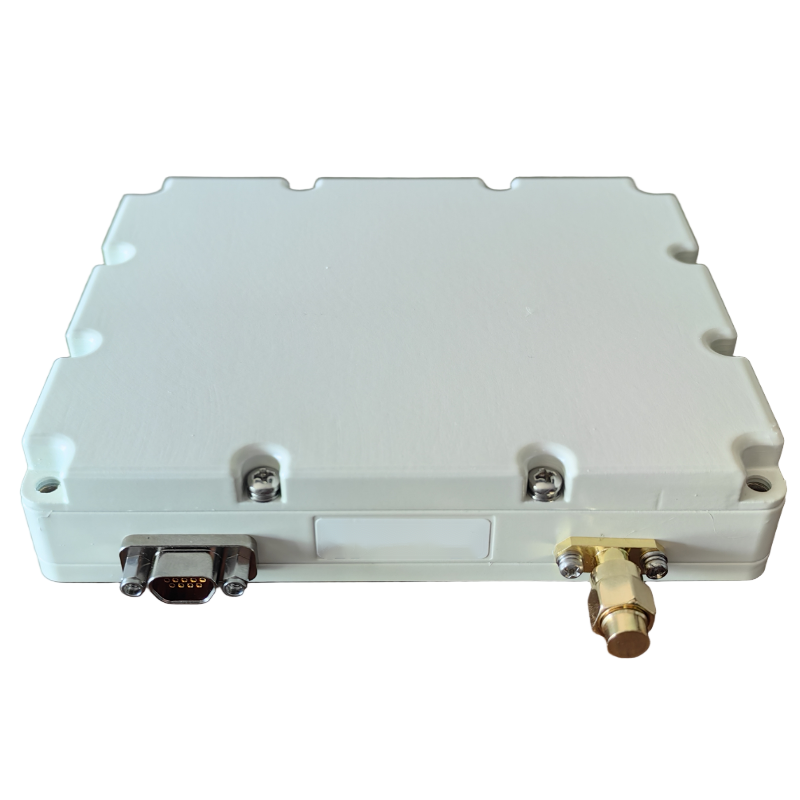 SLA-8B1L1-110
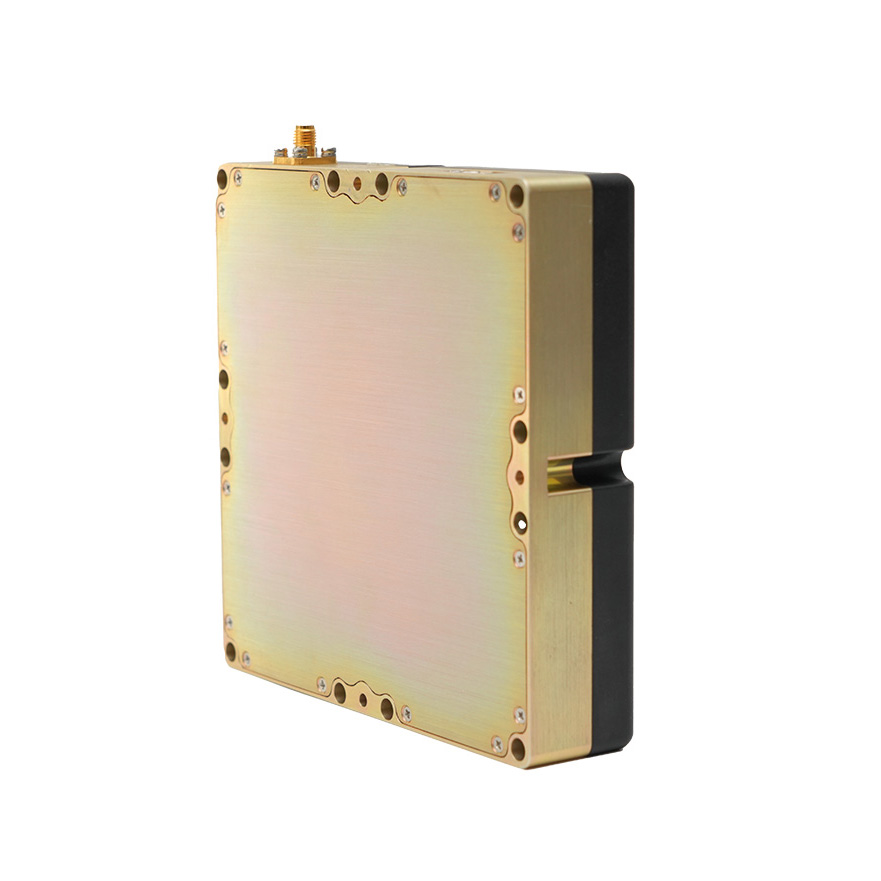 SLA-4B1L1-130
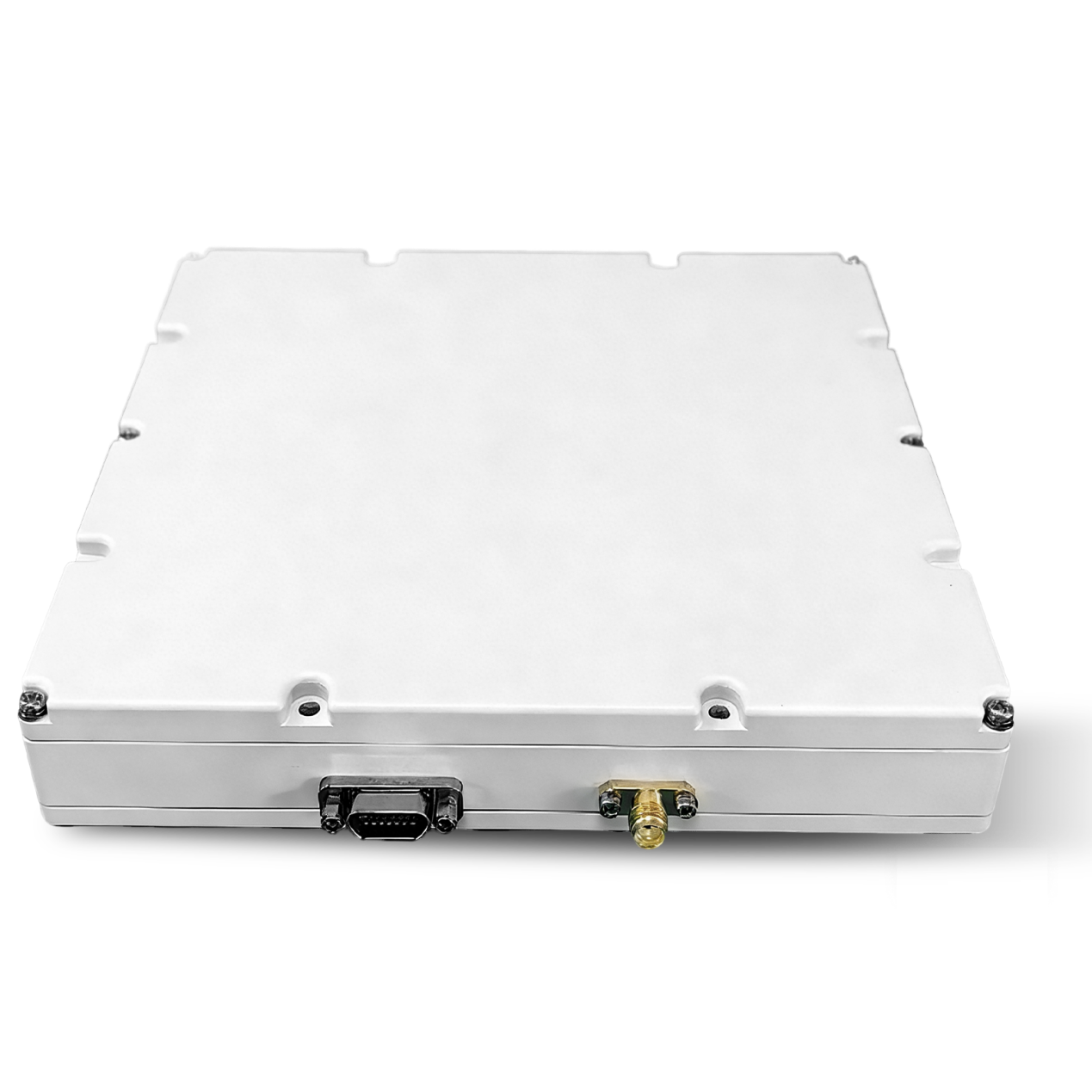 SLA-16B1L1-160
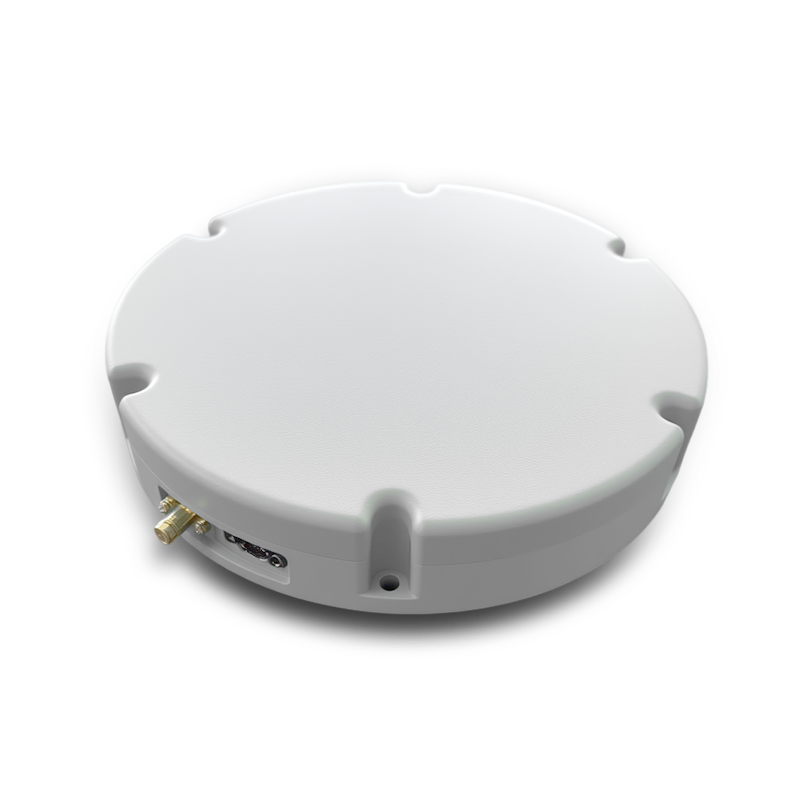 SLA-8B1L1-165
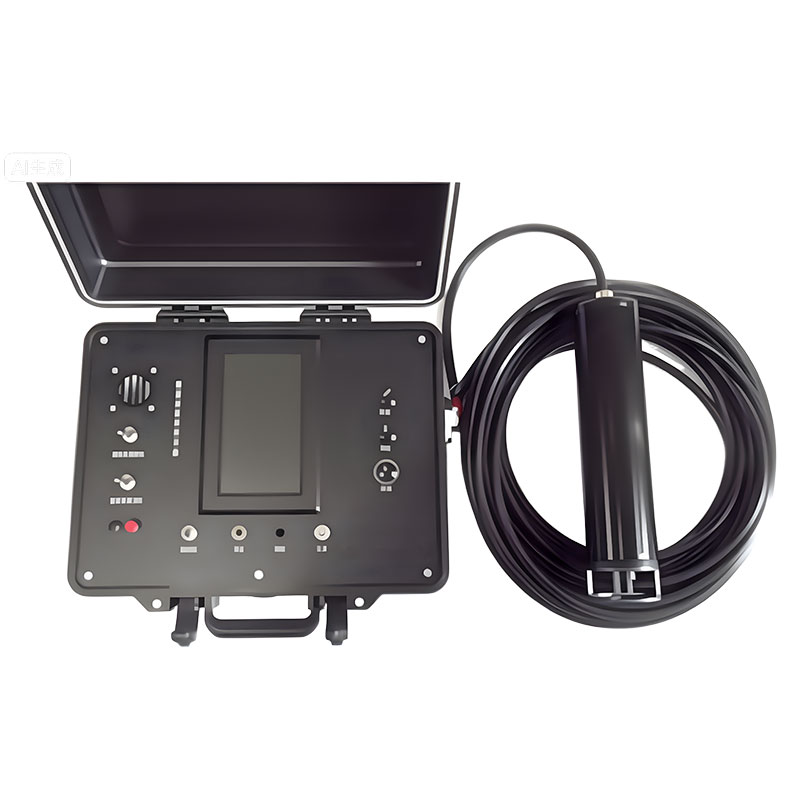 101 Vessel-mounted Positioning
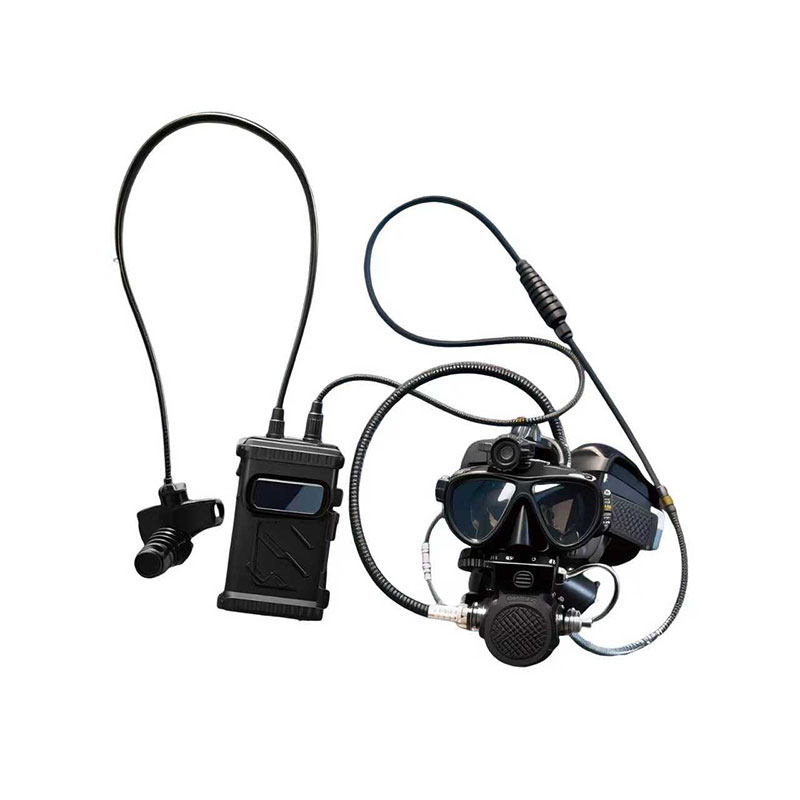 102 Acoustic Communication
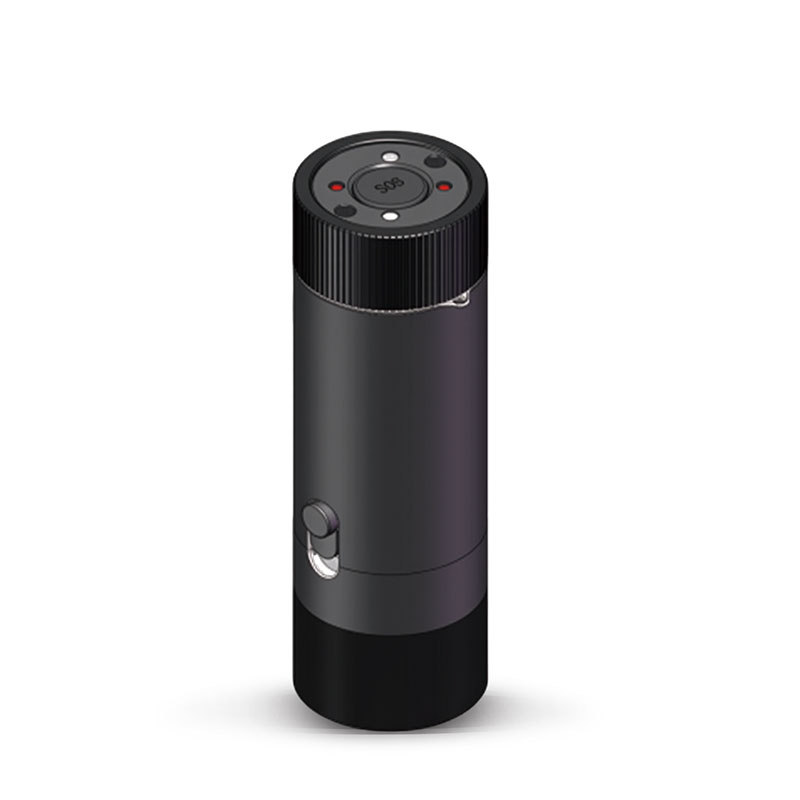 103 Tracking and Locating
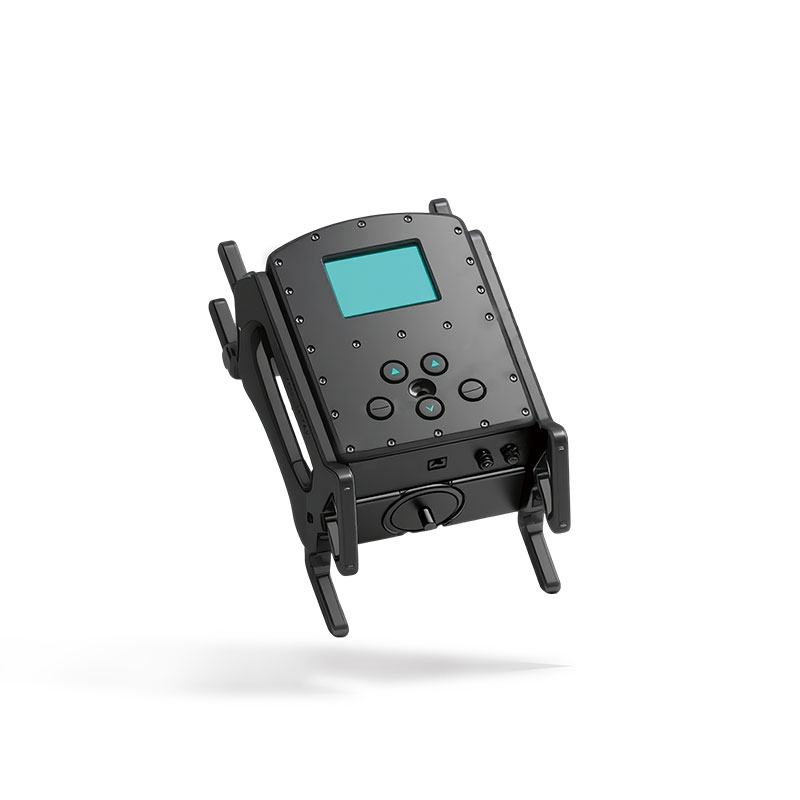 104 Diver Navigation System
 105 Intrusion Detection Sonar
 106 Delivery Locator Beacon
 SLLR3000
 SLLR905
 SLLD25
 108IMU
 150M
150M 500MH
500MH 160M
160M 170M
170M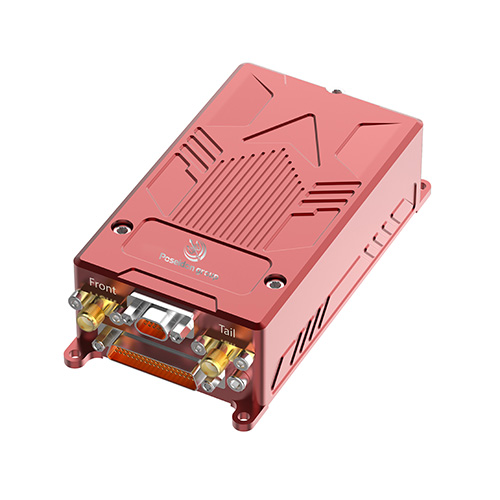 SLFC-70
 SLAF280
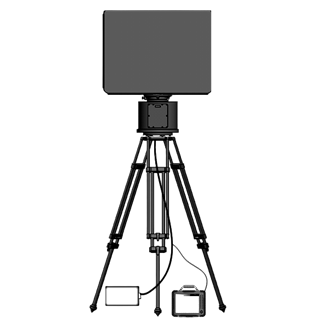 MR360
MR360