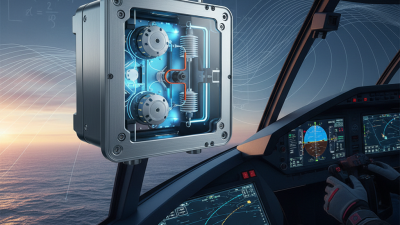
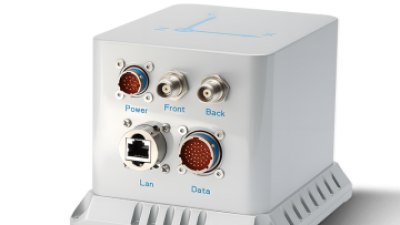
You can think of Inertial Positioning as a pretty powerful way to track where things are. Basically, it uses motion sensors to figure out a device’s location. But honestly, getting pinpoint accuracy isn't always a walk in the park — there are quite a few things that can throw it off.
For example, stuff like interference, temperature swings, or vibrations can mess with the sensor data, making things less reliable. It’s good to be aware that these factors might cause some inaccuracies.
To get better results, it's a smart idea to develop some strategies — like regularly calibrating your sensors. Having backup systems in place can also be a lifesaver if one module runs into trouble. Thinking about these little tips can really bump up the reliability across different uses, no matter the scenario.
Understanding Inertial Positioning and Its Importance
Inertial positioning is crucial for various applications, including
navigation and tracking. According to industry reports, inertial navigation systems can achieve accuracy within a few centimeters. This technology is essential in areas where GPS signals are weak, such as urban canyons or indoor environments. Understanding how inertial positioning works helps in optimizing its use for accurate location tracking.
To improve accuracy, ensure that your sensors are calibrated regularly. If not, they can drift over time, leading to significant errors. Consider the environment where positioning is carried out. Indoor settings may introduce unique challenges, such as signal interference. Using complementary data sources, like visual odometry, can help enhance positional accuracy.
It’s important to monitor the system's performance. Regular checks can reveal inconsistencies. Regularly updating algorithms can also mitigate errors. Users should also be aware of the limitations of their systems. Inertial systems may experience cumulative drift, affecting long-term accuracy. Balancing these factors is essential for reliable and precise tracking.
Key Components of Inertial Positioning Systems
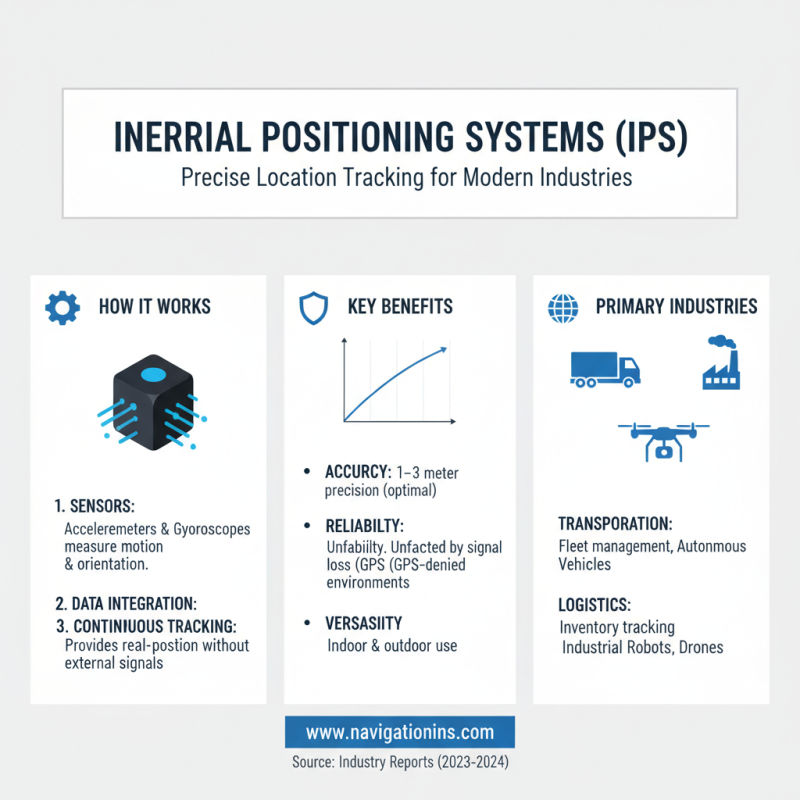
Inertial Positioning Systems (IPS) have become essential for accurate location tracking. These systems rely on sensors to measure motion and orientation, providing precise data. Many industries, especially transportation and logistics, use IPS. Data from recent industry reports indicate that IPS can achieve positioning accuracy within 1 to 3 meters in optimal conditions.
Key components of an IPS include accelerometers, gyroscopes, and magnetometers. Accelerometers measure linear motion, while gyroscopes monitor angular changes. Magnetometers help determine heading direction. The combination of these sensors allows for real-time positioning updates. However, drift is a known issue. Over time, errors can accumulate, leading to inaccuracies. Regular calibration can help mitigate this.
When using an Inertial Positioning System, consider these tips: First, ensure correct sensor placement. Inaccurate positioning can stem from improper sensor alignment. Second, regularly test the system in varied environments. Different conditions can affect performance. Lastly, keep an eye on battery life. An underpowered system may fail during critical tracking moments. Emphasizing these areas can enhance the reliability of IPS in practical applications. Keep striving for improvement while embracing the challenges.
Factors Affecting Accuracy in Location Tracking
Inertial positioning relies on sensors to track movement. However, various factors can affect its accuracy. For example, sensor drift can lead to errors over time. This problem occurs because sensors accumulate inaccuracies with every movement. A small error can grow significantly. Calibration is essential to minimize this drift.
Environmental conditions also play a role. For instance, areas with poor visibility can disrupt signals. Indoor spaces, tunnels, or dense urban environments present challenges. Signals can bounce or weaken, leading to incorrect readings. You might find that tracking devices struggle in these areas.
User behavior can influence accuracy, too. Sudden movements or changes in speed can create noise in the data. Even how a device is held matters. If a user frequently adjusts the device's orientation, it can affect outcomes. Refining these behaviors may enhance precision.
Inertial Positioning Accuracy Factors
Techniques to Enhance Inertial Positioning Accuracy
Inertial positioning has become crucial for accurate location tracking in various applications, from navigation to augmented reality. Improving the accuracy of inertial positioning requires a set of effective techniques. According to a report from the International Society of Navigation, accuracy can influence results by as much as 30%. Thus, it's vital to adopt strategies that minimize errors.
One effective technique is sensor fusion. By combining data from different sensors, like accelerometers and gyroscopes, we can achieve higher precision. This method helps to counteract limitations each sensor might have. Adding complementary data, such as GPS signals when available, can enhance the inertial positioning system's overall reliability.
Tips for enhancing accuracy include regular calibration of sensors. Over time, sensor drift can lead to significant errors in positioning. Testing your system under different conditions is essential too. Another tip is to use advanced filtering algorithms, like Kalman filters. These can efficiently smooth out inaccuracies in your data, improving overall performance. While not perfect, these methods can help mitigate common inertial positioning challenges.
Common Challenges in Inertial Positioning and Solutions
Inertial positioning presents several challenges that impact accuracy. One significant issue is drift, which occurs over time due to sensor inaccuracies. According to a 2022 industry report, drift can accumulate at a rate of 1% per hour in some inertial systems. This small error can lead to significant discrepancies in location tracking after extended use. It raises questions about the reliability of Imu Inertial sensors in applications like navigation and motion tracking.
Another common challenge is environmental interference. Factors such as magnetic fields and vibrations can distort data from IMU inertial systems. Research indicates that over 30% of users faced degraded performance due to these disturbances. This disruption prompts the need for better calibration methods and adaptive algorithms that account for unique environments. The approach requires constant reassessment, as solutions might not be universally applicable.
The complexity of data processing is also a hurdle. Many systems generate vast amounts of data that can overwhelm standard processing units. Inefficient data handling can lead to delays in real-time tracking. A study found that up to 25% of tracking errors stem from slow data processing rates in some inertial navigation systems. Addressing these issues is vital for enhancing the accuracy and reliability of IMU inertial positioning.
Applications of Inertial Positioning in Various Industries
Inertial positioning technology is making waves across multiple industries. The aviation sector, for instance, relies heavily on
Inertial Gps
systems for precise navigation. According to a report by the International Air Transport Association, about 4.5 billion passengers traveled by air in 2019, underscoring the need for improved tracking. Inertial positioning ensures that aircraft can determine their location accurately, even in areas with weak satellite signals. Such technology has the potential to enhance flight safety and efficiency significantly.
The automotive industry is also seeing a surge in the adoption of inertial GPS systems. As connected vehicles become the norm, accurate positioning is crucial for navigation and automation. The market for autonomous vehicles is expected to reach $556.67 billion by 2026, driven partly by advancements in positioning systems. However, challenges remain. Integrating inertial positioning with existing GPS technologies can sometimes lead to conflicting data, complicating real-time navigation.
In logistics and supply chain management, companies are turning to inertial positioning for asset tracking. A report from Transparency Market Research estimates the global logistics market will approach $12 trillion by 2027. Efficient tracking systems powered by inertial GPS can drastically reduce losses during transit. Yet, the reliance on technology raises questions about cybersecurity risks and accuracy. The industry must reflect on these challenges to harness the full potential of inertial positioning.
Future Trends in Inertial Positioning Technologies
The landscape of inertial positioning technologies is rapidly evolving. As of 2023, market research indicates that the inertial navigation system market is expected to grow at a CAGR of 8.4%, reaching approximately $14 billion by 2025. This growth is driven by advancements in MEMS (Micro-Electro-Mechanical Systems) technology. MEMS sensors have become smaller, cheaper, and more powerful. They are now crucial for accurate location tracking across various applications, from smartphones to autonomous vehicles.
However, challenges remain. Inertial positioning systems often struggle with over time. Precision can degrade without external references such as GPS. Some applications require recalibration, which can be inconvenient. A study by the International Journal of Navigation showed that up to 42% of inertial positioning systems face performance issues under dynamic conditions. This indicates room for improvement and refinement in these technologies.
Looking ahead, the integration of AI and machine learning may enhance inertial positioning systems. These technologies can analyze vast amounts of data to correct drift and improve accuracy. A report from a leading research firm predicts that integrating AI will boost accuracy rates by 30% in the next five years. This potential transformation highlights the need for continuous innovation and reflection on the existing limitations of inertial positioning technologies.
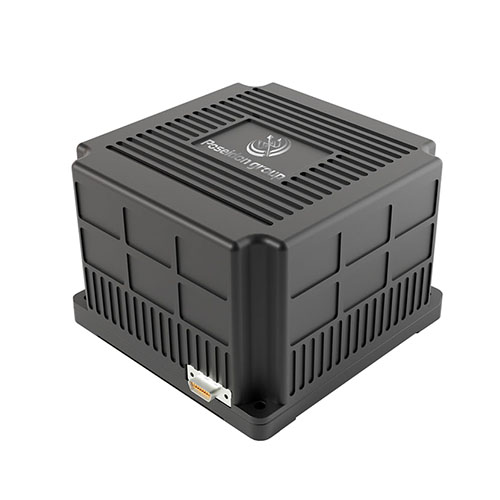
Advancements in High Precision Integrated INS970 Navigation Technology for GPS-denied Environments: A Comprehensive Overview
Advancements in navigation technology have significantly transformed operations in GPS-denied environments, particularly in offshore oil and gas sectors. These operations often take place in remote and hazardous conditions, necessitating reliable and precise navigation solutions. The integration of fiber optic gyroscopes (FOG) and MEMS accelerometers in advanced navigation systems establishes a benchmark for accuracy and reliability, crucial for deep-sea exploration and infrastructure maintenance.
The latest high-precision integrated navigation systems offer real-time data including heading, attitude, speed, position, and angular rate, enabling seamless navigation in complex subsea environments. Such capabilities are essential for improving safety and operational efficiency, allowing for enhanced asset inspections and effective asset management. Additionally, the compact design and low power consumption of these systems, along with compatibility with external sensors like odometers and depth velocity logs, make them invaluable in aerospace, UAV operations, and marine engineering surveying.
By providing accurate positioning information even in challenging conditions, these navigation systems enhance the overall effectiveness of offshore operations, driving advancements in technology that support critical energy production activities globally. The ongoing improvements in such integrated navigation technologies are vital for the future of efficient and reliable subsea exploration and management.
FAQS
: Services often include consultations, repairs, or installations. They vary based on the provider’s expertise.
Research customer reviews and ask for recommendations. Quality varies widely; past feedback matters.
Gather relevant information. This includes specific needs, preferences, and any previous experiences.
Clearly communicate your concerns. Use constructive language and be specific about the issues.
Yes, some providers may be open to negotiation. However, this depends on their policies and workload.
Some providers offer emergency services. Inquire upfront if they can accommodate your schedule.
Always ask for a detailed quote. Clarity helps avoid unexpected charges later on.
Look for experience and qualifications. Don’t rush; a thoughtful decision can save future hassles.
Response times vary. Some react quickly; others may take longer due to workload.
Most providers allow cancellations with notice. Check their policy to avoid potential fees.
Conclusion
Inertial Positioning is a critical technology for accurate location tracking, utilizing data from motion sensors to determine an object's position over time. The effectiveness of Inertial Positioning systems relies on several key components, including accelerometers and gyroscopes, which together capture motion and orientation changes. However, factors such as sensor noise, drift, and environmental conditions can significantly impact accuracy. To enhance precision, various techniques like sensor fusion and Kalman filtering can be implemented, addressing common challenges and supporting diverse applications across industries, from robotics to aerospace.
As the demand for precise location tracking continues to grow, future trends in Inertial Positioning technologies are likely to focus on improving sensor capabilities and integrating new methodologies. By overcoming current limitations and leveraging advancements in artificial intelligence and machine learning, Inertial Positioning systems are expected to become more reliable and widely adopted, paving the way for innovative solutions in navigation and tracking solutions in the years to come.

 TBSD60
 BSD120
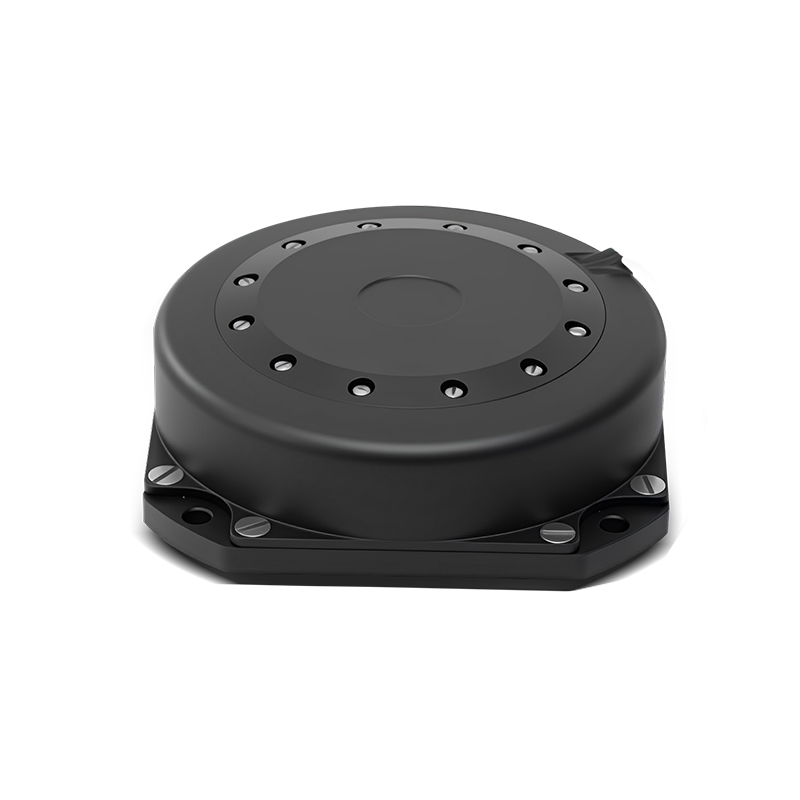 BSD98
BSD98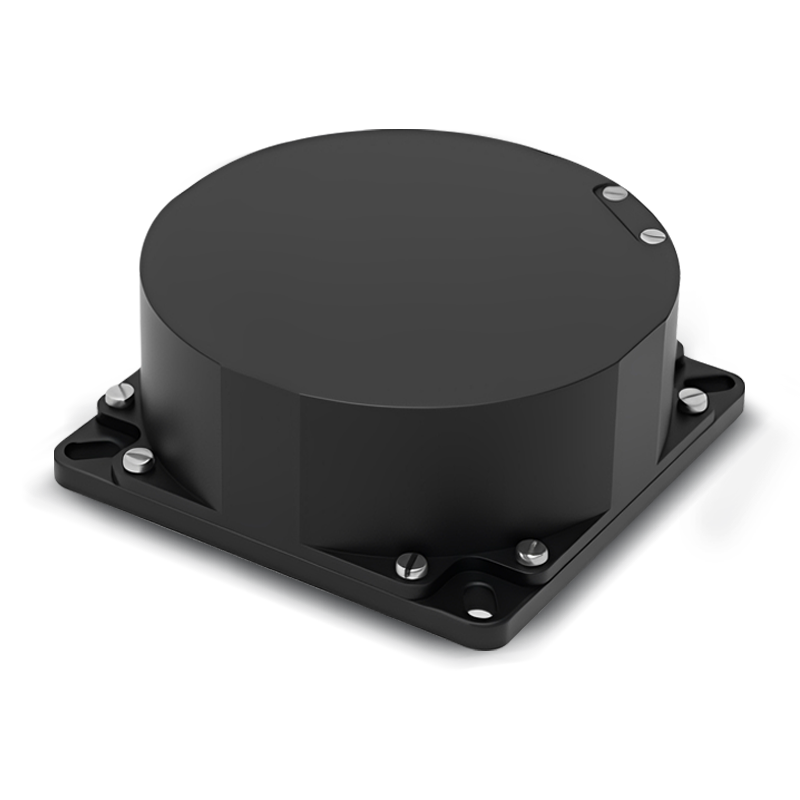 BSD70
BSD70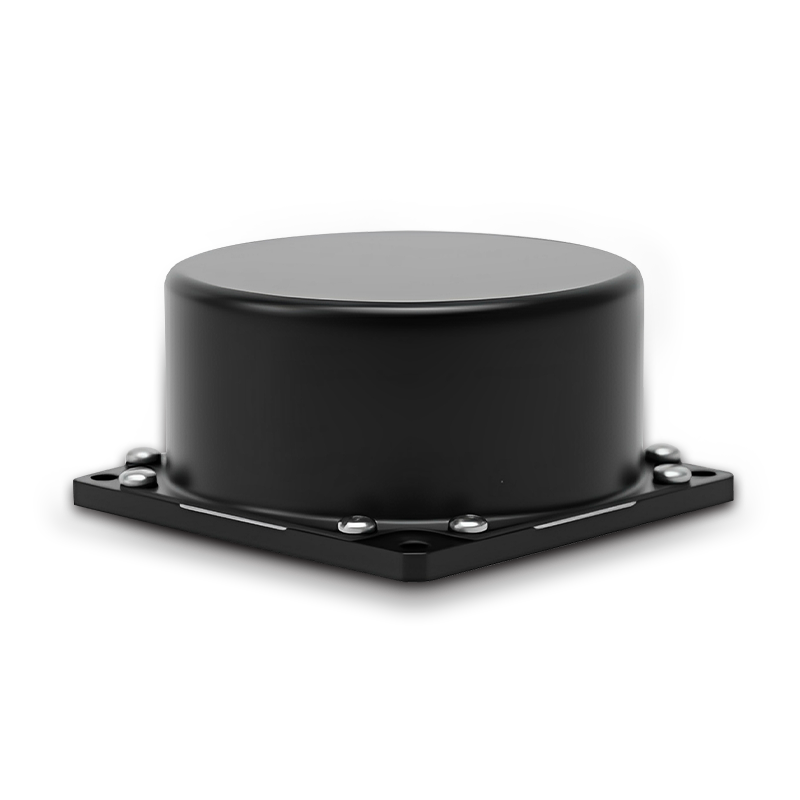 BSD60
BSD60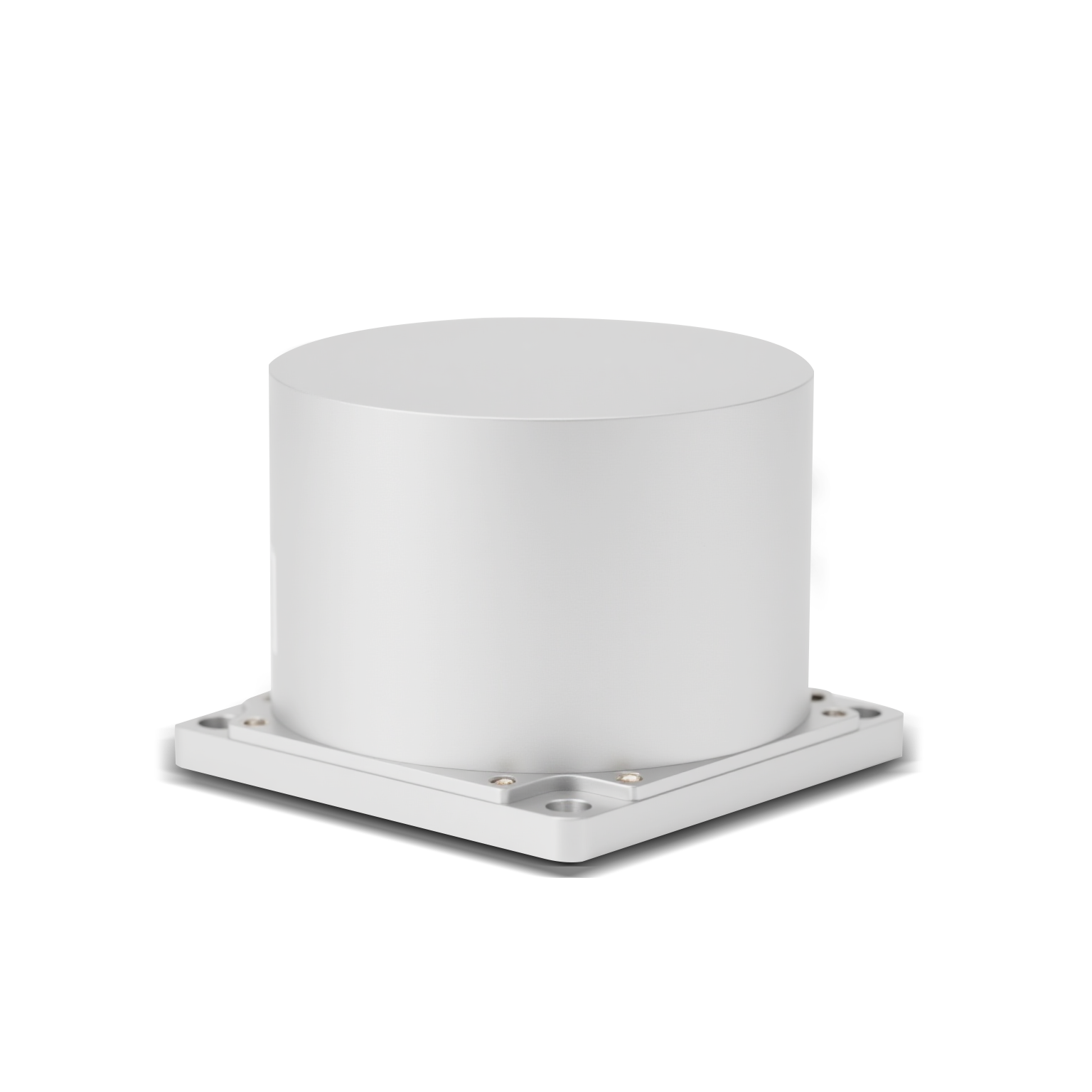 BSD50
BSD50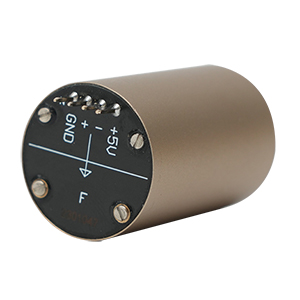 BSD217
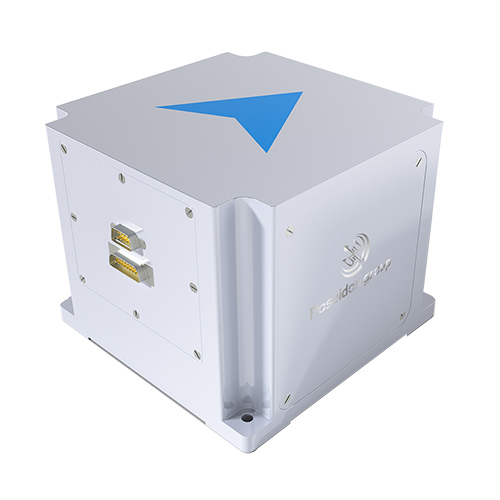 INS1700
 INS970
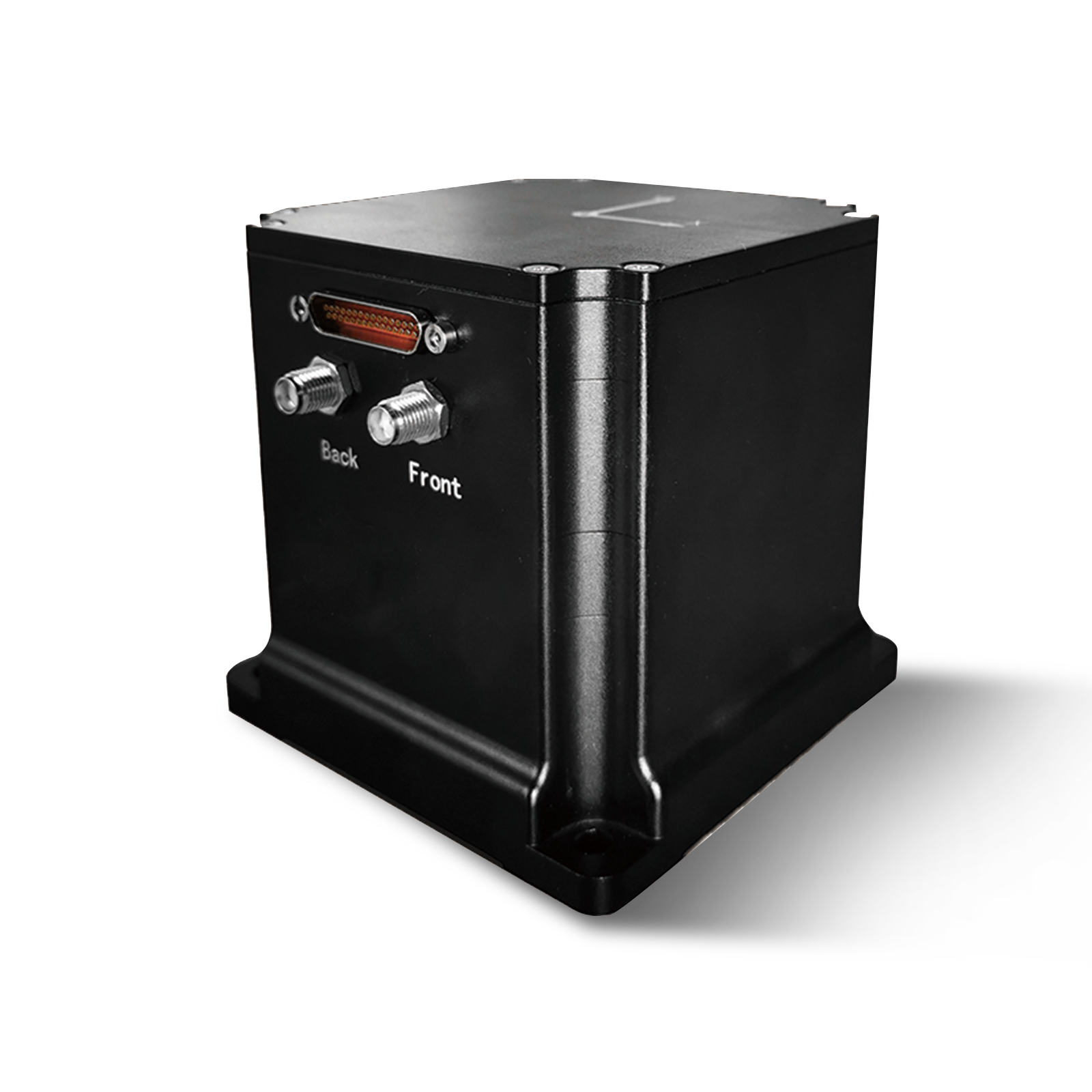 INS570
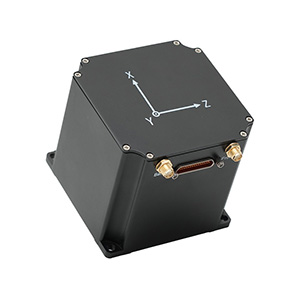 INS170
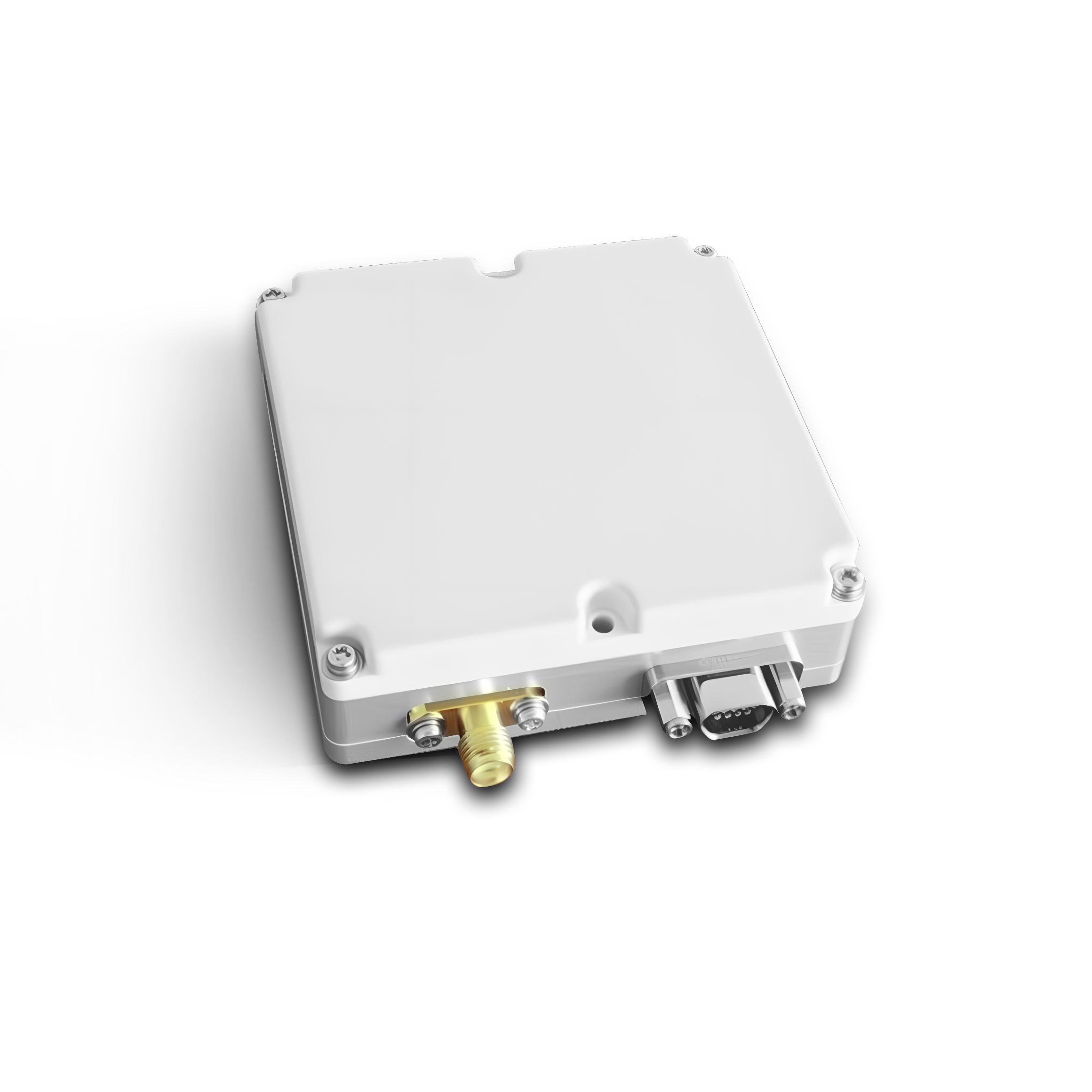 SLA-4B1L1-65
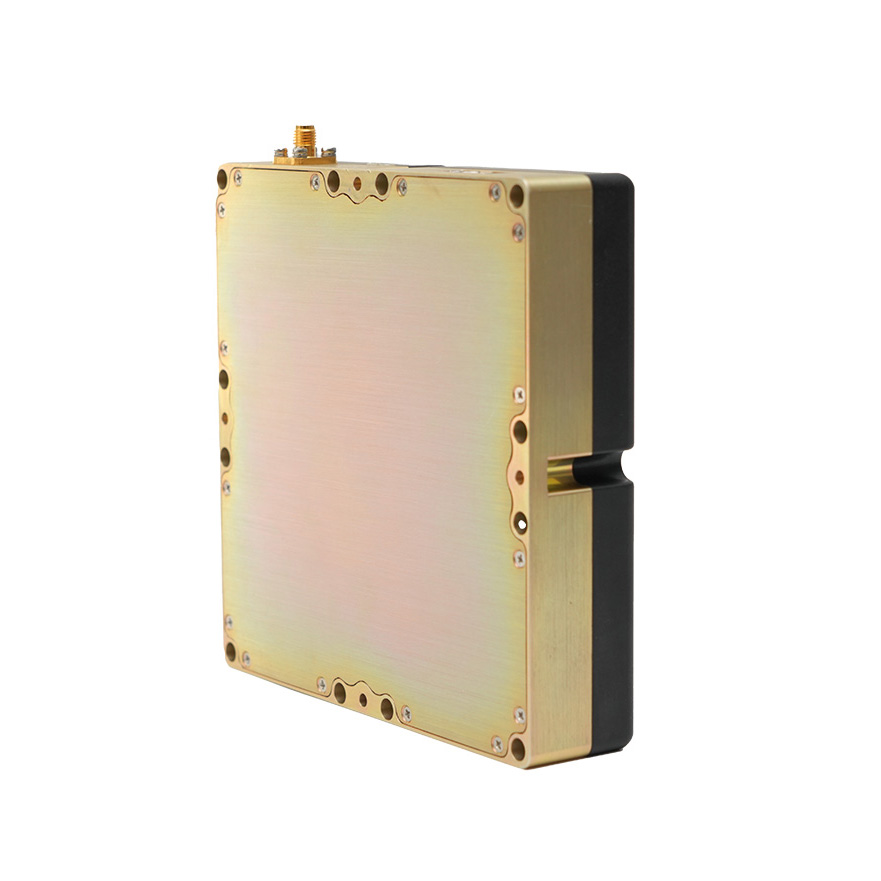 SLA-4B1L1-130
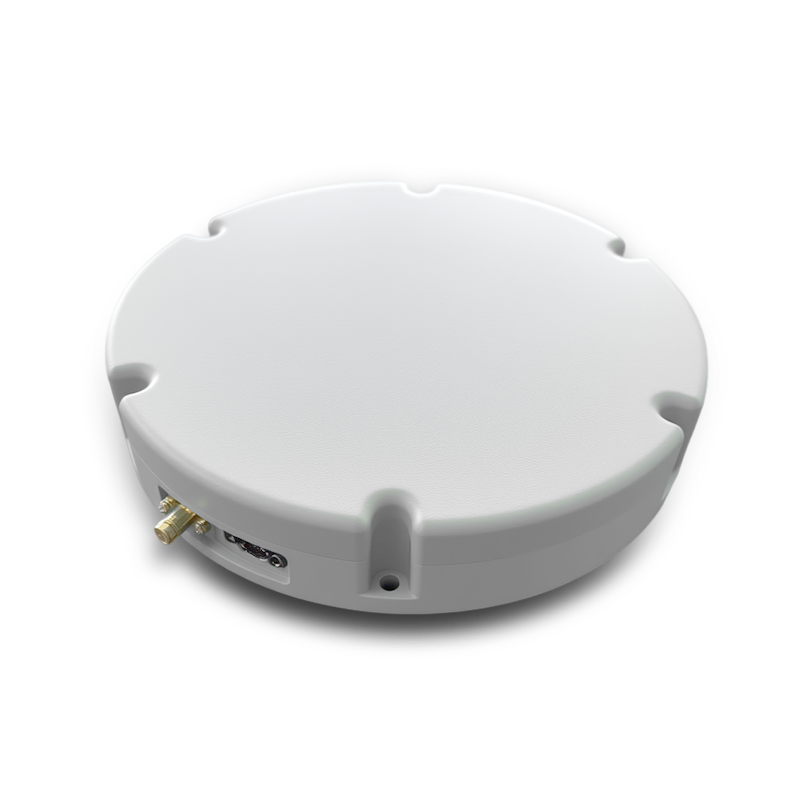 SLA-8B1L1-165
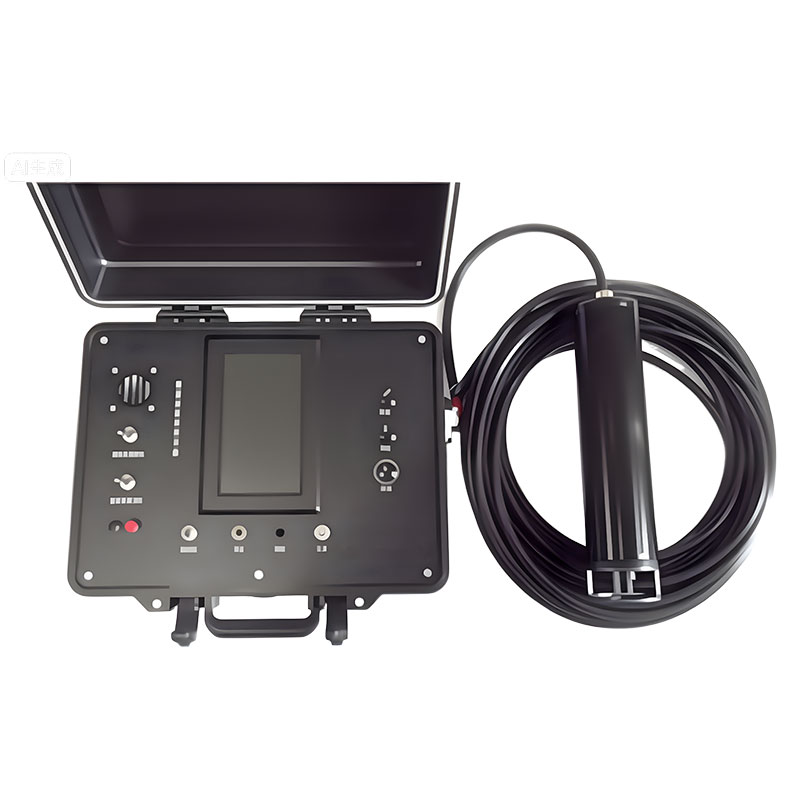 DIVER 101
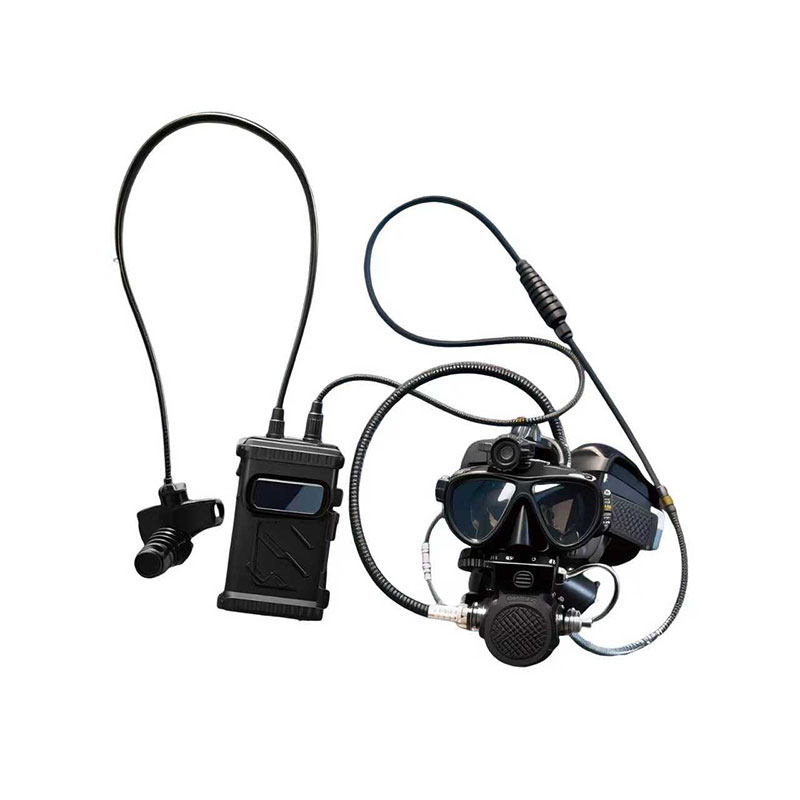 DIVER 102
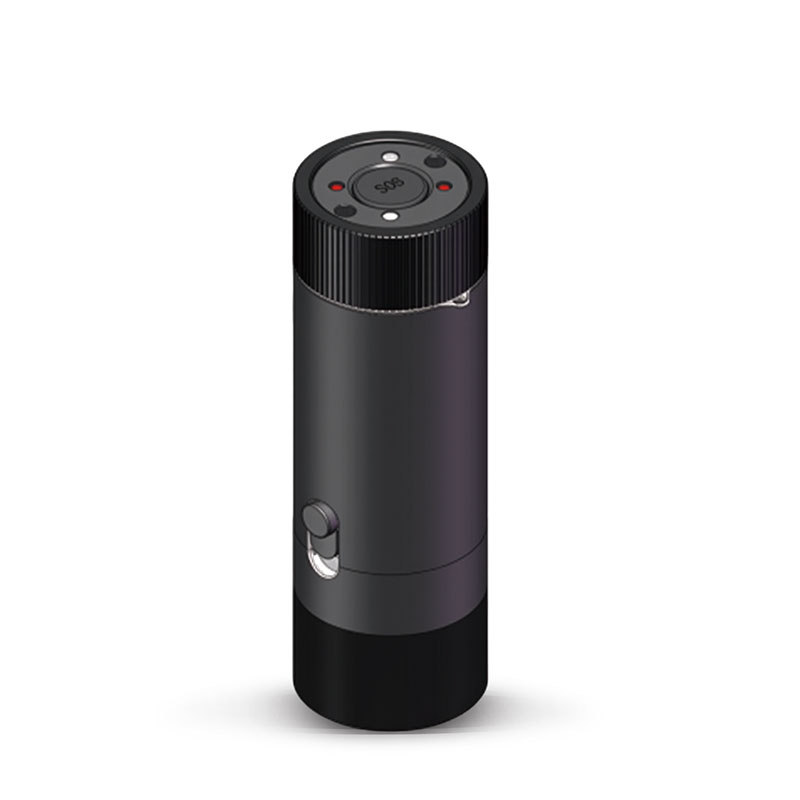 DIVER 103
 DIVER 104
 DIVER 105
 DIVER 106
 SLLR3000
 SLLR905
 SLLD25
 160M
160M 170M
170M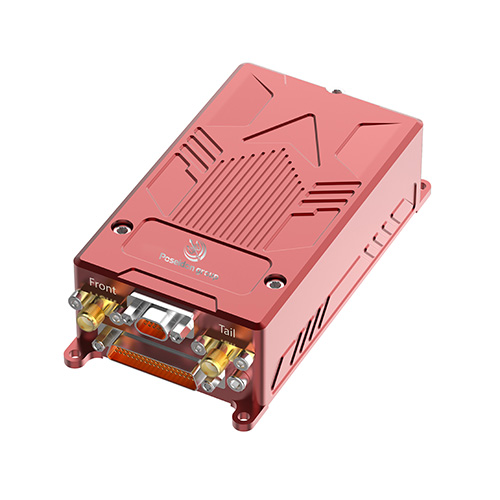 SLFC-70
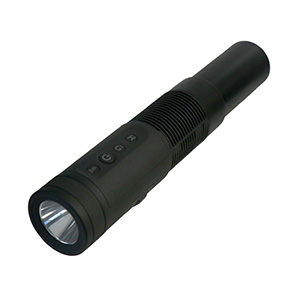 SLAF280
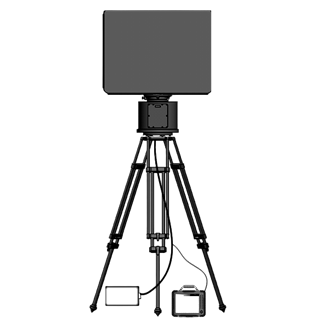 MR360
MR360