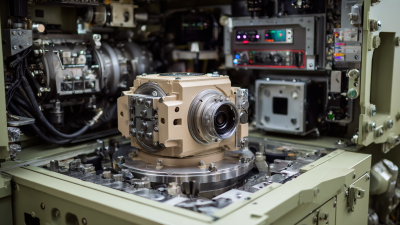
You know, the world of navigation technology is always changing, and it seems like the need for accuracy and reliability is through the roof, especially in maritime and aviation fields. That’s where the Fiber Optic Gyro Compass really shines. It’s pretty impressive how it uses advanced fiber optic tech to boost navigational precision. Industry reports are saying that global demand for high-tech navigation systems is set to rise significantly. This growth is largely driven by the increasing need for efficient autonomous systems in different sectors.
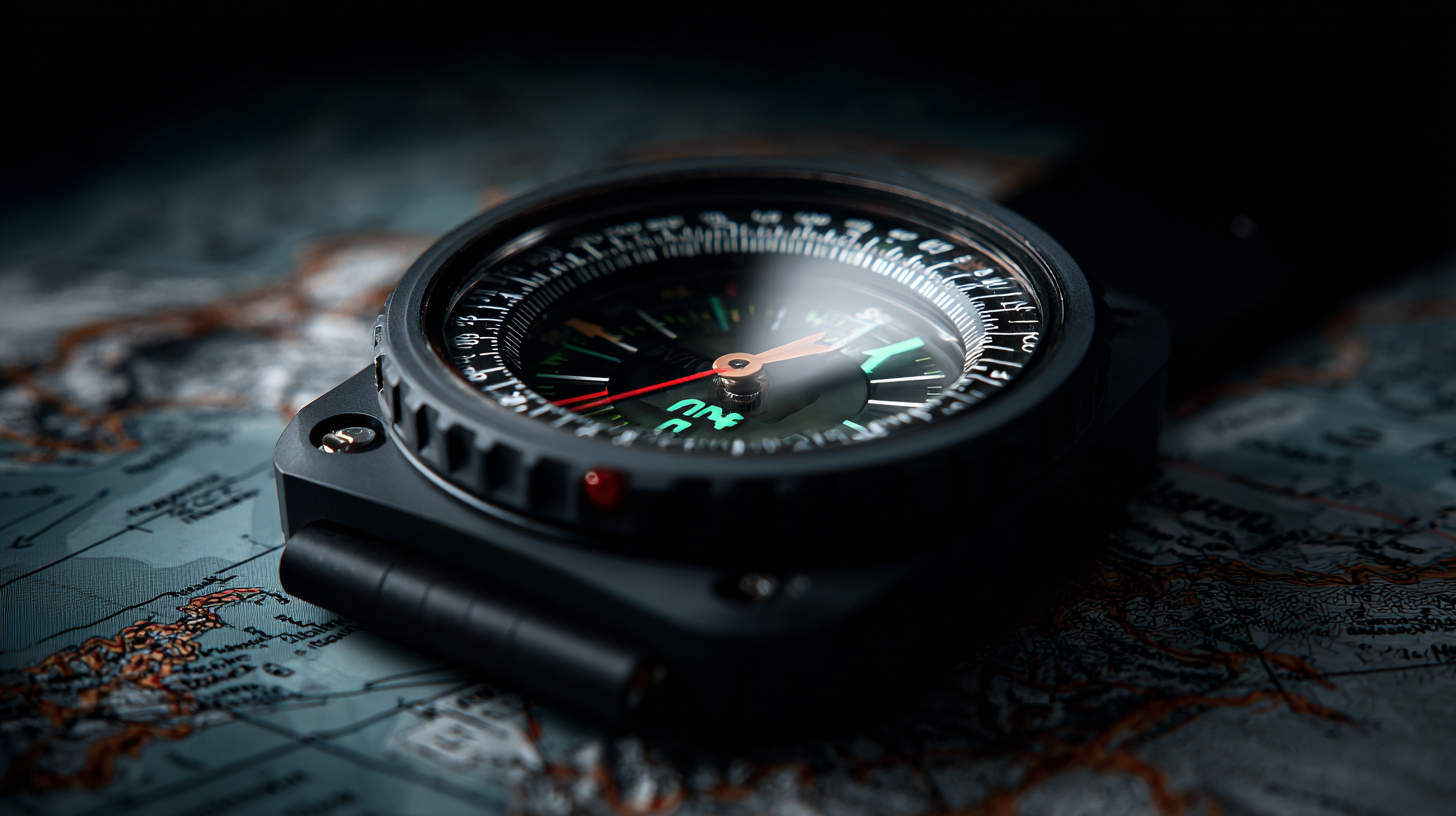
Now, let’s talk about Poseidon International Group (Hong Kong) Limited. They kicked things off in 2013 and have been leading the charge ever since, focusing on research, design, and production of Fiber Optic Gyroscopes (FOG), inertial navigation systems (INS), and all sorts of advanced control systems. With their dedication to excellence and a bunch of technical patents under their belt, Poseidon is really geared up to offer some amazing solutions that are set to redefine how we think about precision navigation.
Unparalleled Accuracy: How Fiber Optic Gyros Outperform Traditional Compasses
You know, fiber optic gyros have really changed the game when it comes to navigation. They're just way more accurate than those old-school compasses that we used to rely on. I mean, think about it—traditional compasses can get thrown off by magnetic interference and all sorts of environmental stuff. But these fiber optic gyros? They work on light principles to figure out orientation, which is pretty cool. They actually use a coil of optical fiber to track light phase shifts, and that leads to readings that are spot-on every time. Whether you're flying a plane, sailing the seas, or driving on the road, the stability and quick responsiveness of fiber optic gyros really make a difference for reliable navigation.
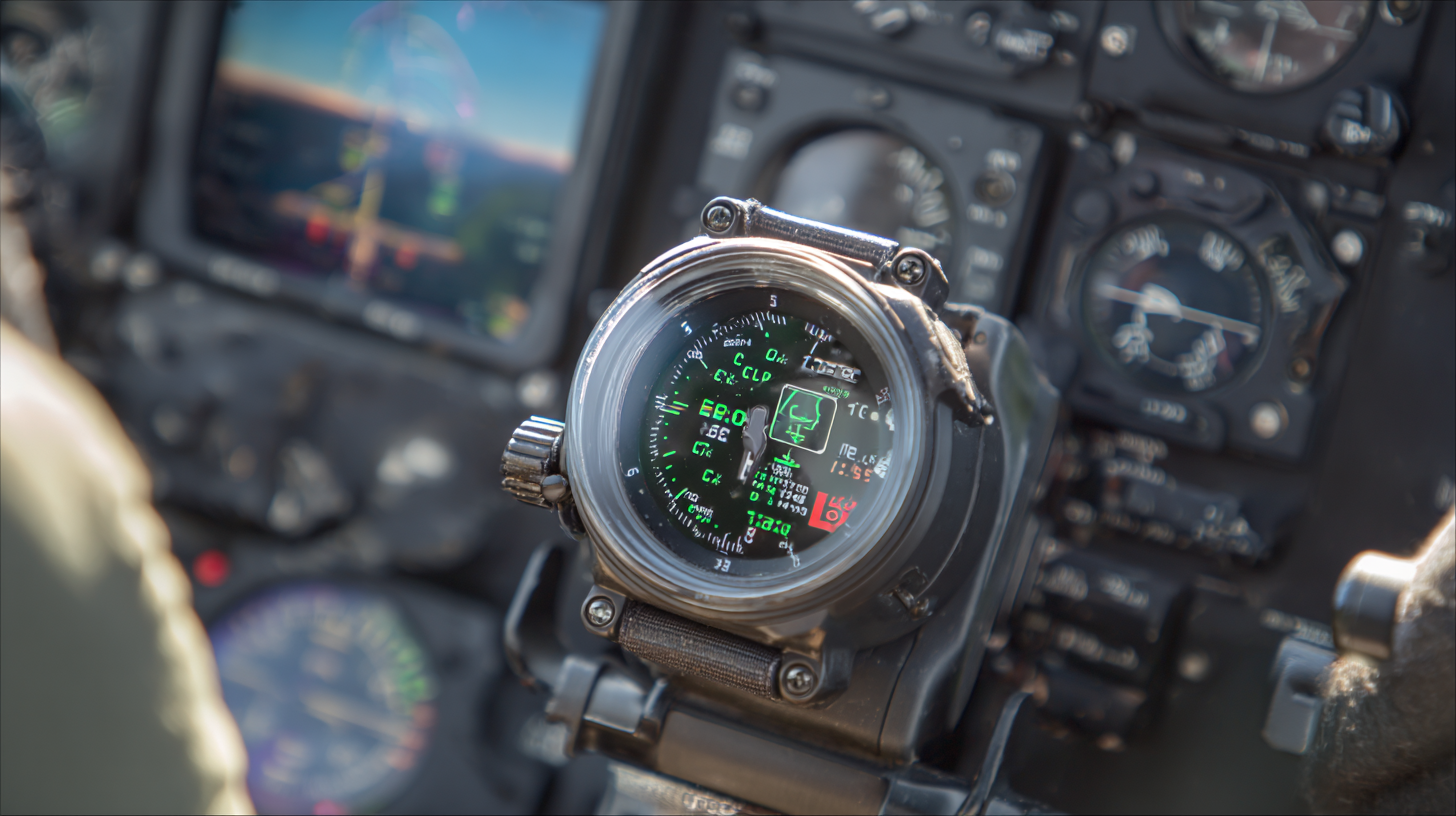
And there's more! One of the best things about fiber optic gyro compasses is that they perform like champs even under extreme temperatures and tough conditions. You know how traditional compasses can get wacky when they're in weird environments or around magnetic anomalies? Not with fiber optic systems—they just shrug it off. This means they give accurate readings even when things get tricky, which is great for safety and makes everything run smoother. With all these amazing features, fiber optic gyros are really setting a new bar for precision navigation. It's no wonder that so many professionals are choosing them as their go-to navigation tools because they just can't compromise on accuracy and reliability.
Real-Time Data Processing: Enhancing Navigation with Instant Feedback
These days, precision navigation is super important, and we can't overlook just how crucial real-time data processing in fiber optic gyroscopes really is. This tech really boosts navigation systems and gives us that instant feedback we all need, helping users make smart decisions right when they matter. As industries keep evolving, there’s been a huge jump in the need for systems that can quickly handle tons of data. And guess what? Edge AI is leading this change—kind of like how it's shaking things up in agriculture, where it’s set to reduce energy consumption for data processing by an impressive 40% by 2025.
Now, if you're looking to level up your navigation game with those fiber optic gyroscope systems, a couple of things to note: first off, make sure your setup is perfectly calibrated to make the most out of that real-time data. Regularly updating the software can really amp up performance, too, letting you tap into the latest and greatest data processing techniques. Plus, don’t forget about training your team on how to read the instant feedback from these systems—trust me, it can lead to way smarter navigation strategies.
And hey, as Poseidon International Group keeps pushing the envelope with fiber optic gyroscopes and inertial navigation systems, it’s super important to include advanced features that support real-time analytics. By focusing on being efficient and accurate, businesses can not only keep ahead but also enjoy better operational efficiency in their navigation processes.
Robust Durability: The Impact of Environmental Resilience on Performance
When it comes to precision navigation, the durability of a fiber optic gyro compass really plays a huge role in how well it performs, especially when the going gets tough. These compasses are built to handle some serious challenges in tough environments—they’re often faced with extreme temps, vibrations, and moisture. The materials and engineering that go into the best fiber optic gyro compasses take all these harsh conditions into account, making sure they keep on working no matter what’s thrown at them. Plus, this kind of resilience doesn’t just extend the life of these gadgets; it also means you can count on them to provide reliable navigational data consistently.
Now, it’s not just about surviving under tough conditions; it’s also about giving users that peace of mind when it really matters. Think about maritime workers—they totally depend on navigation systems that can resist corrosive saltwater and stand up to the harshness of open seas. And then there's aerospace, where equipment must handle crazy altitude shifts and crazy pressure changes. By combining tough materials with state-of-the-art tech, the top fiber optic gyro compasses really shine, providing unrivaled reliability. This way, navigators can do their jobs safely and effectively, no matter where their adventures take them.
7 Unmatched Features of the Best Fiber Optic Gyro Compass for Precision Navigation
This chart illustrates the performance ratings of key features in fiber optic gyro compasses, highlighting their unmatched durability, precision, and environmental resilience which are crucial for precision navigation.
Lightweight Construction: Benefits of Portability in Modern Navigation Tools
You know, in this crazy fast-paced world we live in, we really can’t underestimate how important portability is when it comes to navigation tools, especially with fiber optic gyro compasses. These nifty devices are super lightweight, which makes them a breeze to use in all sorts of settings. Whether you’re on a boat trying to navigate some tricky waters or in an aircraft plotting a new flight path, having a compass that’s easy to transport means you can keep things accurate without lugging around heavy gear.
Plus, the fact that modern fiber optic gyro compasses are so light makes them not just easier to handle, but also way more functional. With less weight, you can set them up or move them around in no time, which is fantastic when you need to make quick adjustments for better navigation accuracy. This is especially crucial for professionals in fields like marine exploration or aviation, where every second really matters and you need reliability. So yeah, the lightweight design of these fiber optic gyros really blends efficiency with precision—just what we need for navigation these days.
Versatile Applications: From Maritime to Aerospace - The Multi-Use Potential
You know, fiber optic gyro compasses are pretty amazing—they're not just for boats anymore! These gadgets are super useful in tons of industries, like aerospace, automotive, and even robotics. When it comes to maritime navigation, these high-tech gyros really shine. They offer rock-solid accuracy and stability, which is a must for ships navigating those tricky waters. One cool thing about them is that they keep track of heading info even when the boat is rolling or pitching around. So, sailors can count on those compass readings, even when things get a bit bumpy. That kind of reliability is a game changer, especially for folks in the shipping and fishing industries, where knowing exactly where you are can make a world of difference for safety and efficiency.
In the aerospace world, fiber optic gyro compasses are equally crucial. They help keep aircraft on track when navigating and controlling flight systems. So, pilots really depend on these devices for accurate inertial navigation data, helping them stay steady on course and altitude—particularly when the weather gets rough or if they find themselves in areas where GPS signals are kinda spotty or just plain missing. Plus, these gyros are small and lightweight, making them perfect for UAVs (unmanned aerial vehicles) where every ounce counts. Honestly, the multi-use magic of fiber optic gyro compasses really shows how tech can connect different fields, delivering precise navigation solutions that improve both performance and safety across all sorts of applications.
Cost-Efficiency: Long-Term Savings with Advanced Fiber Optic Technology
You know, fiber optic technology has really shaken things up when it comes to navigation systems, especially with those cool fiber optic gyroscopes. One of the best things about these systems is how cost-effective they are—they can actually save operators a ton of money in the long run. Sure, at first glance, shelling out for a fiber optic gyro compass might seem pricier than sticking with traditional setups. But here's the kicker: they’re built to last and don’t need all that constant maintenance, which means you’ll end up cutting down on those pesky operational costs down the line.
Unlike your typical mechanical gyro compasses that are always crying out for recalibration and repairs, fiber optic gyros are way more dependable. They usually deliver better precision and stability, which is a game changer. This just means you’re looking at less downtime and smoother navigation overall. Plus, they laugh in the face of tough environmental conditions, keeping their accuracy intact even when the weather’s not cooperating.
So, the bottom line is this: companies that choose to invest in fiber optic tech really do hit the jackpot with both reliability and savings, making it a go-to choice for today’s navigation needs.
Enhancing Navigation Precision: Insights into Micro-nano Angular Rate Sensors and Their Impact on Fiber Optic Gyro Performance
In recent years, the demand for precise navigation and control in high-dynamics environments has spurred significant advancements in sensor technology. Micro-nano angular rate sensors, combined with fiber optic gyros, have emerged as pivotal components in this area, enhancing the accuracy of inertial measurements. According to a report by Market Research Future, the global inertial sensor market is expected to reach $27.88 billion by 2025, driven largely by the aerospace and automotive sectors where precision is paramount. The integration of these micro-nano sensors provides unparalleled orientation control in GNSS-denied areas, making them indispensable for modern navigation systems.
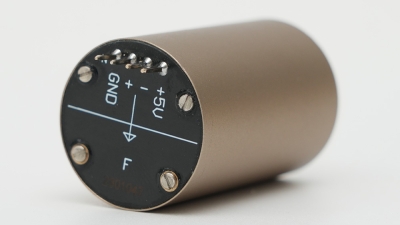
The unique architecture of micro-optic systems, particularly the Precision Sagnac-effect fiber sensing core encapsulated in a compact cylindrical form (measuring just 24mm in diameter and 40mm in height), signifies a leap forward in sensor design. With full solid-state construction and inertial-grade reliability, these sensors are constructed to withstand extreme environmental conditions without requiring maintenance. This innovative design not only minimizes physical dimensions but also ensures instantaneous readiness and analog signal integrity. As noted in an analysis by Allied Market Research, the compact integration of such systems is vital for applications in aerospace and military operations where vibration intensity and rapid positional changes can compromise navigation accuracy.
Incorporating these sensors into existing platforms allows for seamless integration into operational frameworks that require enhanced performance in challenging conditions. As the industry evolves, the continual refinement of micro-nano sensors, along with their ability to maintain precise orientation control under adverse conditions, represents a significant advancement in the pursuit of navigation precision, ultimately transforming how we approach safety and reliability in critical missions.
FAQS
: Fiber optic gyros are navigation devices that use the principles of light to determine orientation, offering superior accuracy compared to traditional mechanical compasses.
Fiber optic gyros provide unparalleled accuracy and are unaffected by magnetic interference or environmental conditions, while traditional compasses can suffer from inaccuracies in extreme environments.
Fiber optic gyros are utilized across various industries, including maritime, aerospace, automotive, and robotics, due to their versatility and accuracy.
They offer exceptional accuracy and stability, maintain heading information during vessel rolling or pitching, and enhance safety and operational efficiency in challenging waters.
They provide accurate inertial navigation data to assist pilots in maintaining course and altitude, especially during turbulent weather or weak GPS signal conditions.
Yes, fiber optic gyro compasses maintain performance across a wide range of temperatures and conditions, making them reliable in all situations.
Their compact size and lightweight design are ideal for UAVs, where space and weight limitations are critical for performance.
By delivering accurate readings even in challenging conditions, fiber optic gyros significantly increase safety for professionals relying on precise navigation tools.
Their unmatched accuracy, stability, and resistance to interference from environmental factors set a new benchmark for reliability in navigation solutions.
They provide precise navigation that is crucial for operational efficiency and safety, significantly impacting the success of operations in these sectors.

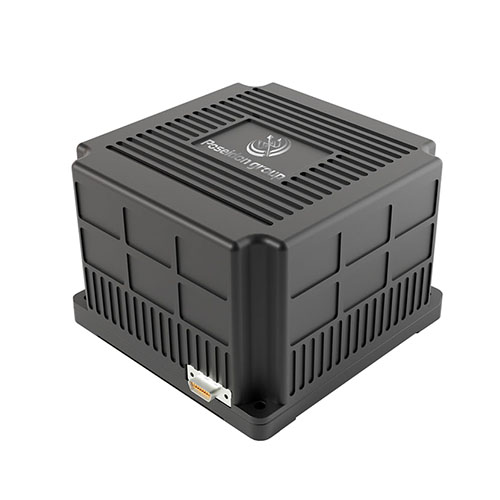 TBSD60
 BSD120
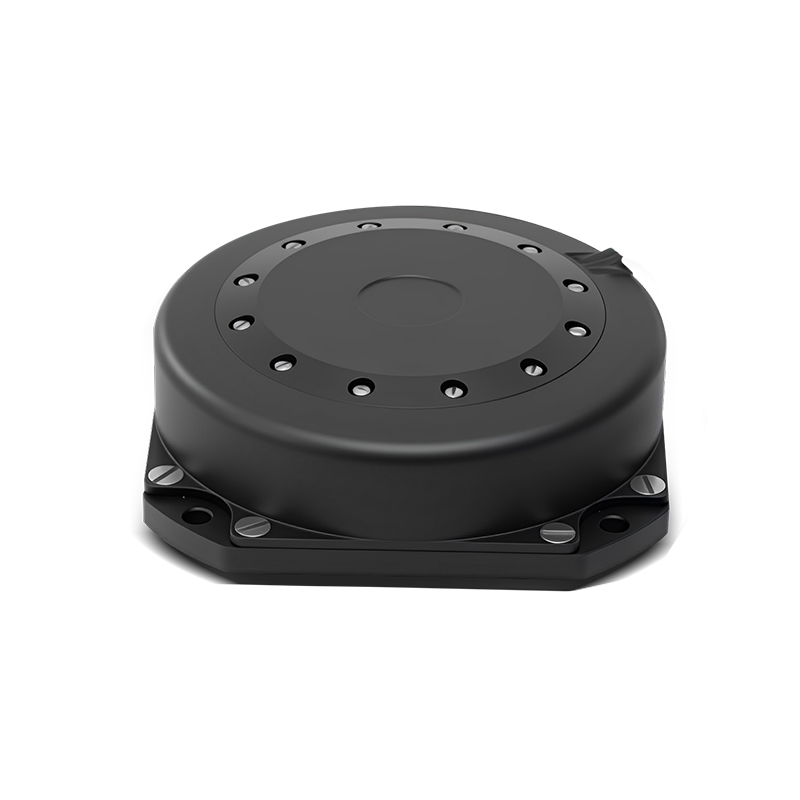 BSD98
BSD98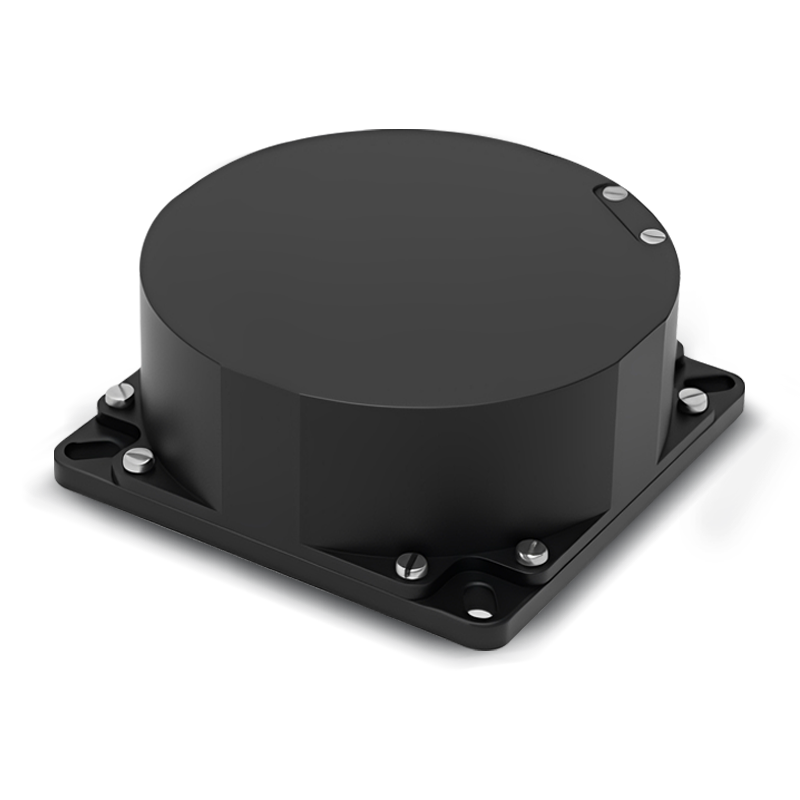 BSD70
BSD70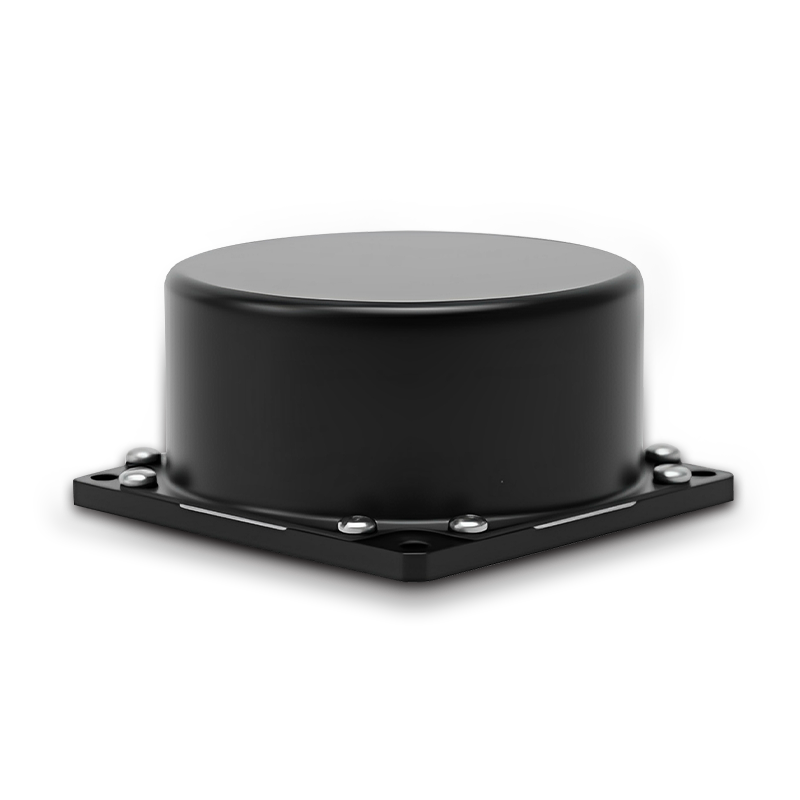 BSD60
BSD60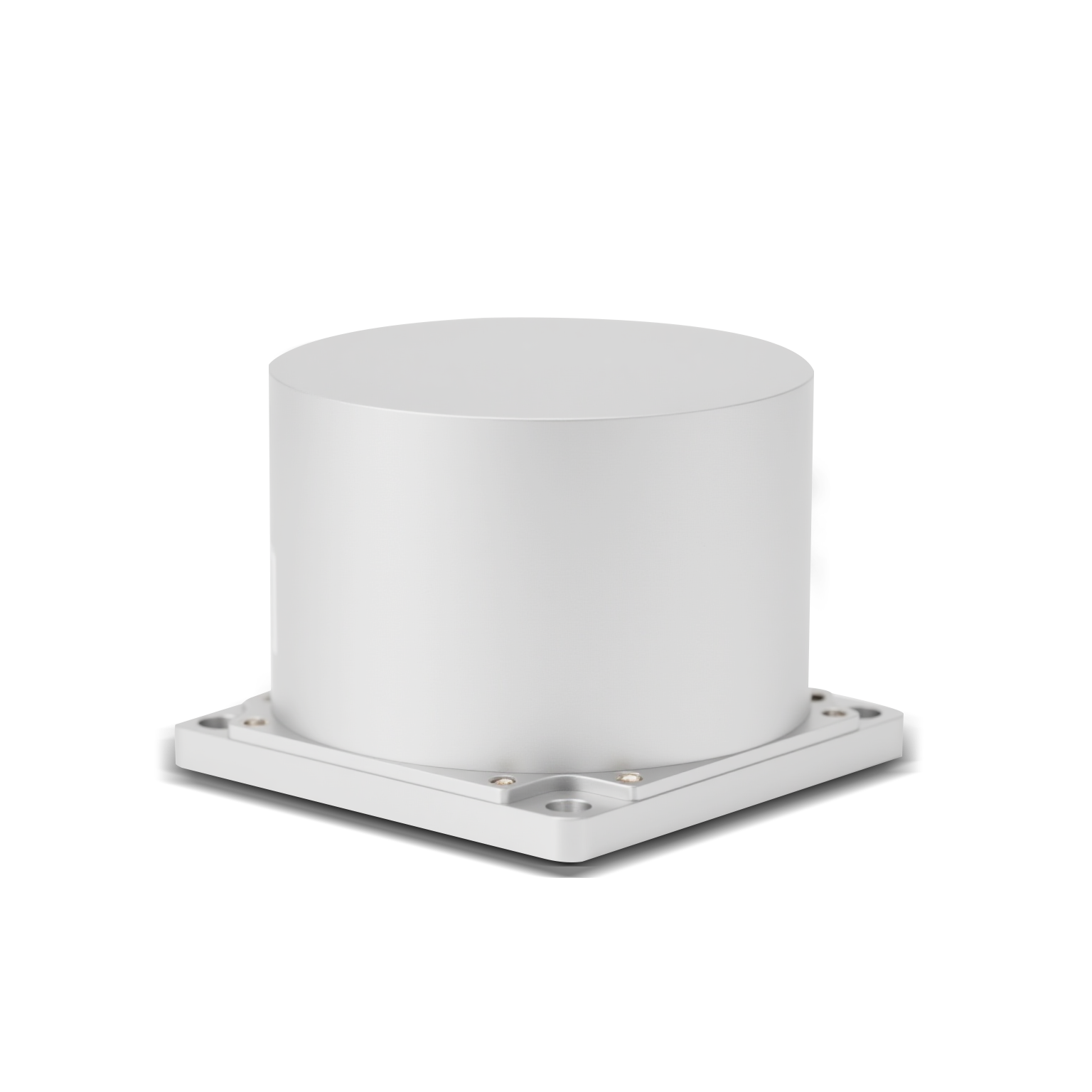 BSD50
BSD50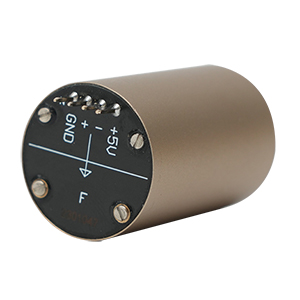 BSD217
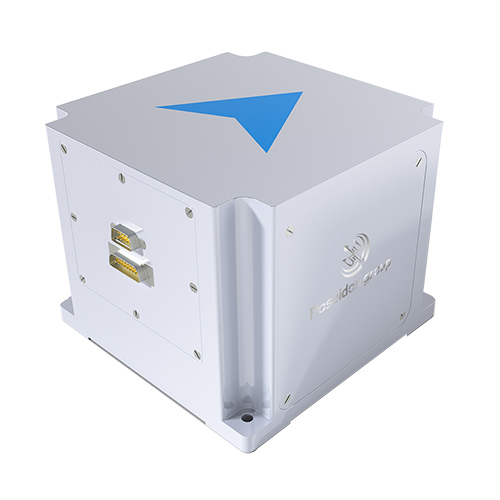 INS1700
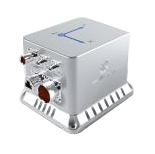 INS970
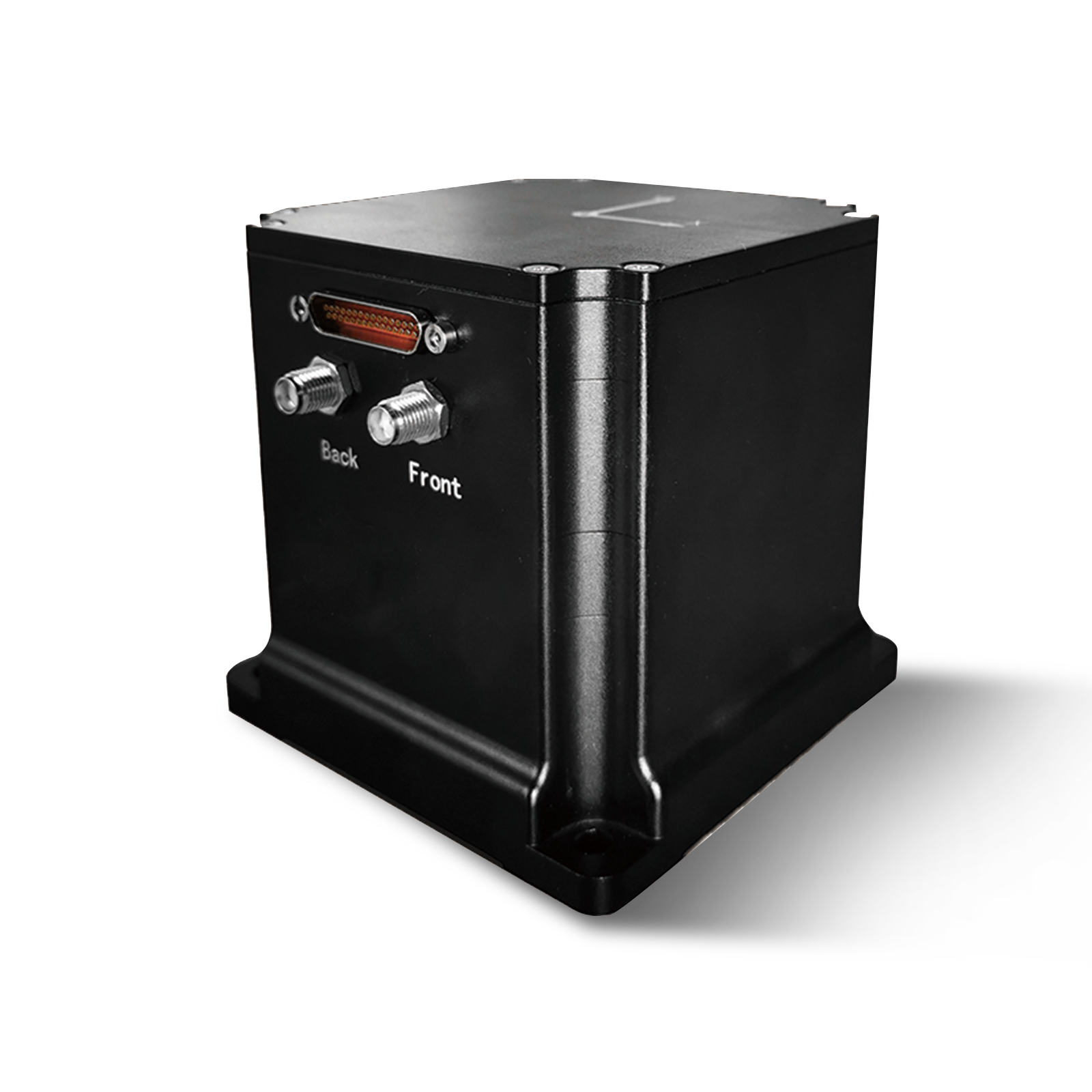 INS570
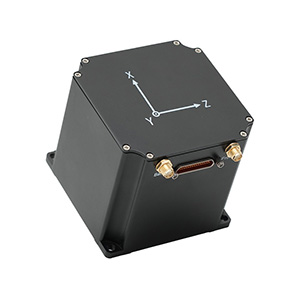 INS170
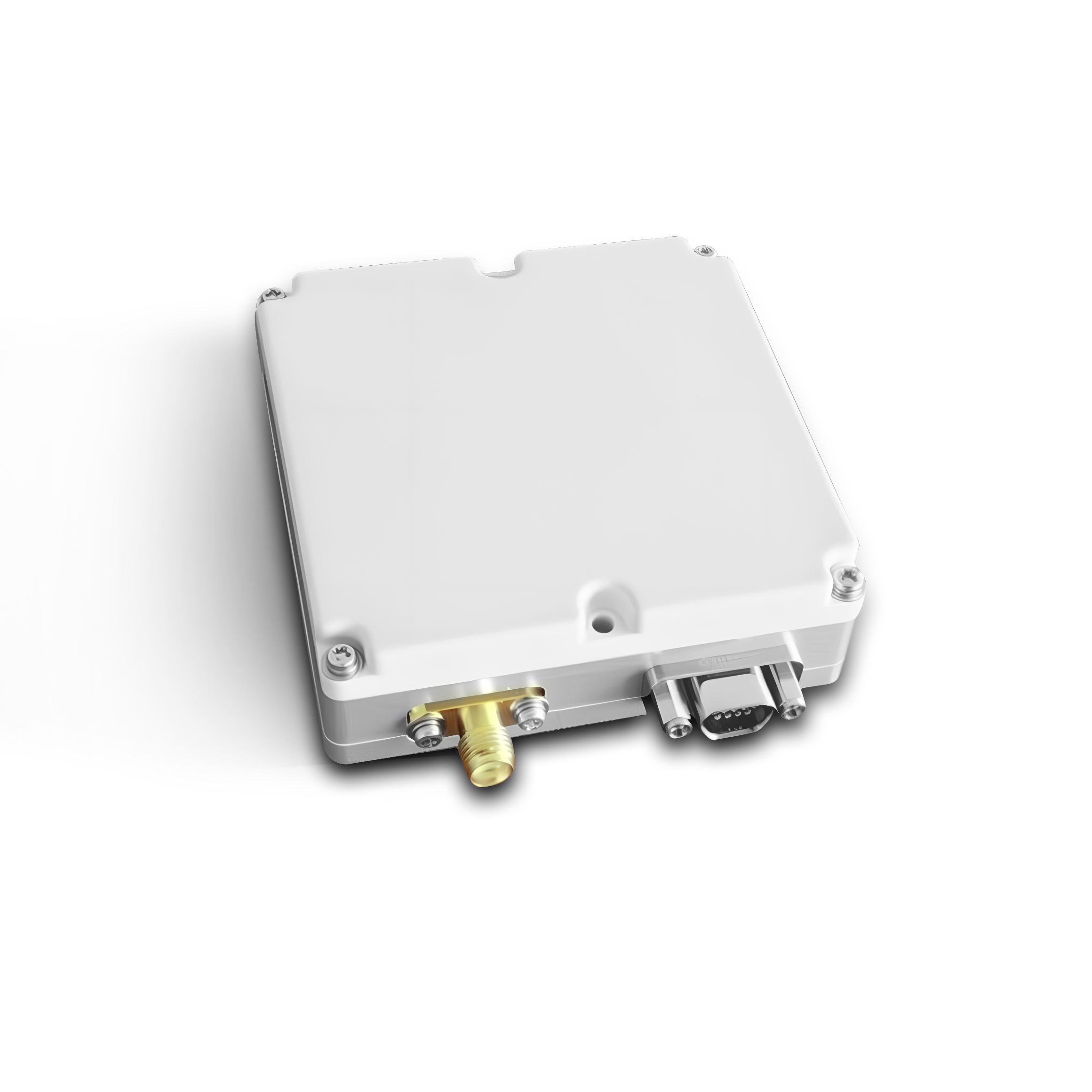 SLA-4B1L1-65
 SLA-4B1L1-130
 SLA-8B1L1-165
 DIVER 101
 DIVER 102
 DIVER 103
 DIVER 104
 DIVER 105
 DIVER 106
 SLLR3000
 SLLR905
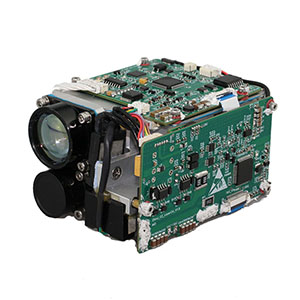 SLLD25
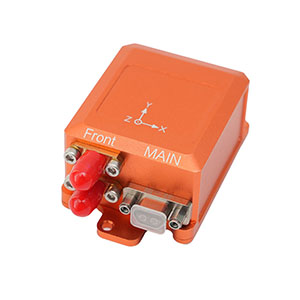 160M
160M 170M
170M SLFC-70
 SLAF280
 MR360
MR360